Summary:
If you’ve been staring at bare windows longer than you’d like to admit, you’re not alone. A lot of Brunswick County homeowners — whether they just moved in, just bought a beach rental, or are finally getting around to that renovation — hit the same wall. There are too many options, too many opinions online, and not enough guidance that actually accounts for living near the water. This guide is here to change that. We’re breaking down seven roman shade styles that genuinely work in coastal homes, what to look for in each one, and what tends to go wrong when people skip the details.
Roman Shades for Windows: Style and Function Combined
Roman shades sit at the intersection of clean design and real functionality. Unlike blinds, which stack into rigid slats, roman shades fold into soft horizontal layers when raised — giving your windows a polished, finished look whether they’re open or closed. That matters in a coastal home, where the view is often the whole point and you don’t want a clunky treatment competing with it.
There are more style variations than most people realize. Flat roman shades lie smooth and tailored when lowered — great for a modern or minimalist interior. Relaxed roman shades have a gentle curve at the bottom hem, which gives them a softer, more casual feel that suits beach homes well. Hobbled shades, sometimes called looped shades, keep their cascading folds even when fully lowered, adding texture and depth to a room. London shades gather fabric into two soft pleats at the bottom, creating a scalloped silhouette that works beautifully in more formal spaces like a dining room or primary bedroom.
Beyond the fold style, you’re also choosing a fabric, a liner, and an operating system. Each of those decisions affects how the shade performs in your specific space — and in Brunswick County’s climate, those details aren’t just aesthetic. They’re practical.
Cordless Roman Shades: The Safer, Smarter Choice for Families and Rentals
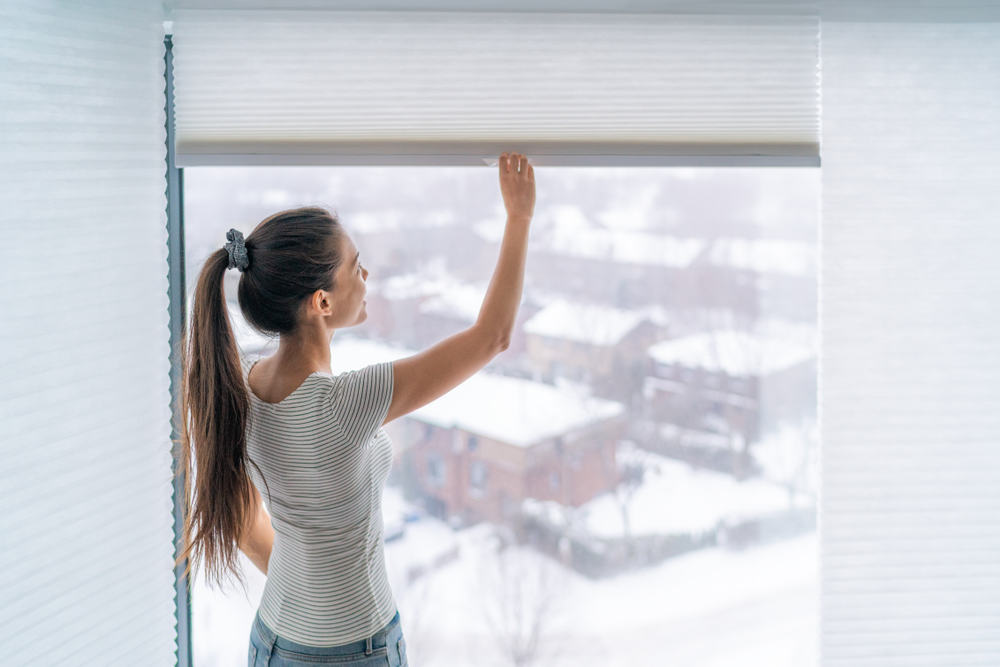
Cordless roman shades have become the standard recommendation for a reason that goes well beyond convenience. The Consumer Product Safety Commission has linked corded window coverings to hundreds of child deaths since 1990, and the window covering industry has responded with updated safety standards that now require all stock window coverings to be cordless or use inaccessible cord systems. If you have children, pets, or a vacation rental property with guests of all ages cycling through, cordless isn’t just a nice feature — it’s the responsible choice.
The good news is that modern cordless lift systems are smooth and easy to use. You simply push the shade up or pull it down, and it holds in place. There’s no cord to manage, no loop to worry about, and no mechanical complexity that wears out quickly. Guests and family members of any age can use them without instruction.
For investment property owners in places like Oak Island, Holden Beach, or Ocean Isle Beach throughout Brunswick County, cordless roman shades make particular sense. Vacation rental guests aren’t always careful with window treatments, and a corded shade in a rental unit is both a liability and a maintenance headache. Cordless shades also tend to look cleaner in listing photos, which matters when your property is competing for bookings online.
Motorized roman shades take this one step further. Hunter Douglas PowerView allows you to control your shades from an app or voice command — useful for hard-to-reach windows, skylights, or simply for setting a schedule so your rooms adjust automatically with the light. It’s a feature that started in high-end homes and has become increasingly common in Brunswick County new construction, where smart home integration is part of the appeal.
Blackout Roman Shades: Light Control That Actually Works on the Carolina Coast
Blackout roman shades are one of those things that sound straightforward but come with a few nuances worth understanding. True blackout refers to the liner behind the face fabric — not the face fabric itself. That means you can have a beautiful linen-textured or woven roman shade on the front, with a blackout liner sewn behind it, and get complete light elimination without sacrificing the look you want for the room.
This matters especially in coastal homes where morning sun hits hard. If your bedroom faces east — or if you’re on a barrier island where the sun reflects off water and sand before it even clears the horizon — a room-darkening shade might not be enough. True blackout liners block essentially all incoming light, which is a meaningful difference if you’re a light sleeper or if your vacation rental guests are paying for a relaxing beach getaway and waking up at 6am isn’t part of the deal.
There’s also an energy efficiency angle that doesn’t get talked about enough. Properly installed blackout or thermal roman shades can reduce heat gain through your windows by up to 33%, according to U.S. Department of Energy data. In Brunswick County’s summers, where cooling costs climb fast, that’s not a trivial number. A well-fitted shade with a thermal liner pays for itself over time in reduced energy bills — and it keeps rooms more comfortable without cranking the air conditioning.
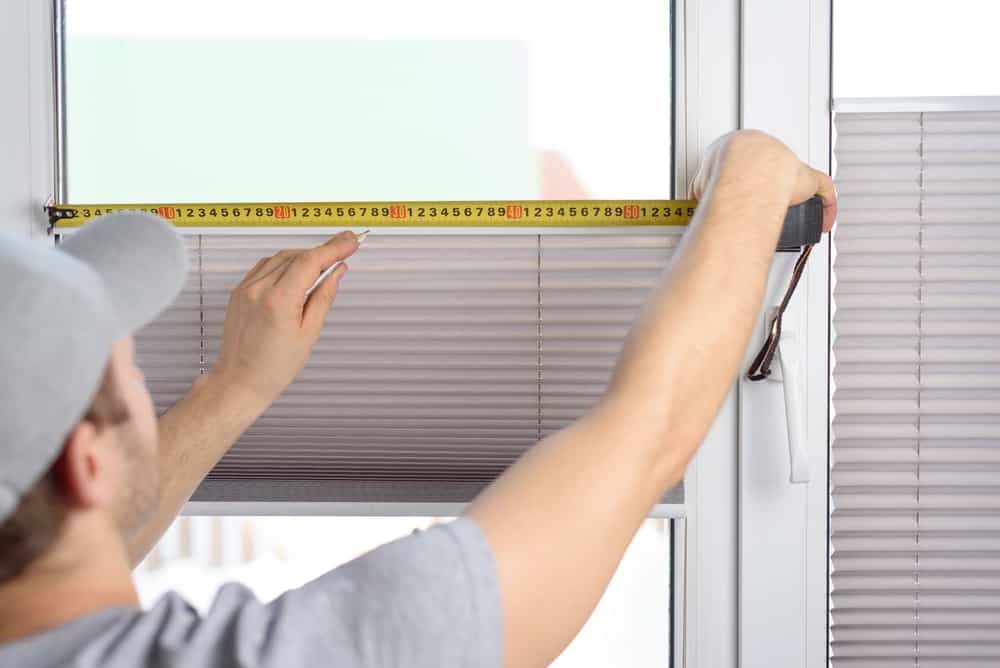
The fit matters here more than with any other shade type. A blackout shade that doesn’t fit precisely — gaps on the sides, light bleeding around the frame — defeats the entire purpose. This is one of the strongest arguments for professional measurement over ordering online and hoping for the best. When we come out for a consultation, we measure every window individually and account for the frame depth, the mounting type, and how the shade will stack when raised. That precision is what makes the difference between a blackout shade that actually works and one that just looks like it should.
Choosing the Right Roman Shade Fabric for Brunswick County's Climate
Fabric selection is where a lot of people make the most expensive mistake. You can choose a beautiful roman shade style and then watch it degrade within a year if the fabric wasn’t chosen with the coastal environment in mind. Homes throughout Brunswick County — especially anything within a few miles of the ocean — deal with salt air, persistent humidity that regularly exceeds 80% in summer, and UV exposure that’s amplified by the reflective surface of the water.
Natural fibers like untreated cotton and standard linen can absorb moisture and develop mildew over time in these conditions. That doesn’t mean you can’t have a natural-looking shade — it means you need to know what you’re actually buying. There are excellent linen-look polyester blends and solution-dyed acrylic fabrics that give you the warm, coastal aesthetic without the vulnerability to moisture. We’ll walk you through the difference and help you find the fabric that works for your specific room and exposure.
Linen Roman Shades: The Coastal Look That Needs the Right Material Behind It
Linen roman shades are one of the most requested styles in coastal homes, and it’s easy to see why. The natural texture, the soft way they filter light, the neutral palette that works with almost any interior — they look exactly right in a beach house or a waterfront property in Southport or Saint James. But “linen roman shade” is a category that covers a wide range of actual materials, and the differences matter in a humid coastal environment.
Genuine linen is a natural fiber that breathes well and has a beautiful drape, but it’s also absorbent. In a room with high humidity — a bathroom, a sunroom, or any space near the water — untreated linen can develop mildew or show water marks over time. It also tends to wrinkle more than synthetic alternatives, which can affect the clean, folded look that makes roman shades so appealing in the first place.
The better option for most Brunswick County homes is a linen-look fabric — typically a polyester or polyester-linen blend — that mimics the texture and warmth of natural linen without the moisture sensitivity. These fabrics are solution-dyed, meaning the color goes all the way through the fiber rather than sitting on the surface, which makes them more resistant to fading under the intense coastal UV exposure. They’re also easier to clean, which matters if you’re furnishing a vacation rental or a high-traffic family home.
We work with fabric collections from Hunter Douglas, Norman Shutters, and Graber, all of which offer coastal-appropriate linen-look options in a wide range of weights, textures, and opacity levels. Light-filtering linen-look fabrics are ideal for living rooms and sunrooms where you want to soften the light without losing the view. Heavier or lined versions work well in bedrooms where you want more privacy and light control. During a home consultation, we bring physical samples so you can see exactly how the fabric looks in your actual light — because a fabric that looks warm and neutral in a showroom can read completely differently in a south-facing room with afternoon sun pouring in.
Woven Wood and Natural Roman Shades: What Works and What Doesn't Near the Water
Woven wood roman shades — made from bamboo, jute, grass, or reeds — have become a staple of coastal interior design, and for good reason. The organic texture, the way light filters through the weave, the connection to natural materials — it all fits the relaxed, biophilic aesthetic that draws people to Brunswick County in the first place. They look at home in a beach cottage on Holden Beach and equally right in a newer construction home in Leland’s growing neighborhoods.
The practical consideration with woven wood shades in a coastal environment is the same one that comes up with natural linen: moisture. Genuine bamboo and natural grass fibers can warp, crack, or develop mildew in high humidity if they’re placed in a room with significant moisture exposure. Bathrooms and kitchens are generally not ideal candidates for natural woven wood shades. Rooms with good air circulation, consistent climate control, and less direct moisture exposure — living rooms, dining rooms, bedrooms — are a much better fit.
For spaces where you love the look but need more durability, there are woven wood-style shades made from synthetic materials that closely replicate the texture and appearance of natural fibers without the vulnerability to humidity. They’re not always the first thing shown in a showroom, but they’re worth asking about if you’re furnishing a vacation rental or a home that spends part of the year unoccupied — conditions where humidity can build up without climate control running.
One thing woven wood shades do particularly well is light filtering with character. Unlike a flat fabric shade that simply diffuses light, the irregular weave of a natural or woven shade creates a dappled, warm light quality that feels especially right in a coastal home. If your goal is softening the light while keeping the room feeling open and connected to the outdoors — which is a common priority for homeowners in Sunset Beach, Ocean Isle Beach, and the Intracoastal Waterway communities — a woven roman shade is worth serious consideration. The key is pairing the right material to the right room, which is exactly the kind of guidance our free in-home consultation is designed to provide.
Finding the Right Roman Shade for Your Coastal Home in Brunswick County, NC
Roman shades are a genuinely excellent choice for coastal homes — when the style, fabric, and operating system are matched to the way you actually live. The wrong fabric in the wrong room can look great for a season and fail by the next. The right combination, professionally measured and installed, holds up for years and makes your windows look like they were always supposed to look that way.
If you’re in Brunswick County — whether you’re in a new build in Leland, a beach home on Oak Island, a retirement community in Saint James, or managing a rental property on Holden Beach — the variables are specific enough that a conversation is worth more than another hour of research online. We bring samples to your home, give you pricing on the spot, and handle the installation ourselves. No subcontractors, no waiting weeks for a quote.
Reach out to Coastal Window Fashions NC to schedule your free in-home consultation and see what the right roman shade looks like in your actual space.