

Summary:
You found the house. You moved in. Now you’re staring at bare windows — or worse, the sad set of blinds the previous owner left behind — and realizing that getting this right is more complicated than a quick trip to a big-box store.
Custom drapery is one of those things that looks effortless when it’s done well and obviously wrong when it isn’t. The difference usually comes down to one thing: whether someone who actually knows what they’re doing measured, ordered, and installed it. This page covers what that process looks like, what to watch out for in a coastal environment like Brunswick County, and what questions are worth asking before you commit.
How Professional Drapery Installation Works, From First Call to Final Hang
Most people assume the hard part is picking the fabric. It’s not. The hard part is everything that happens before and after — accurate measurement, hardware selection, lead time management, and a clean installation that actually looks the way you imagined it.
The process starts with a free in-home consultation. We come to you with physical samples, measure every window on-site, and give you a quote before we leave. No showroom trips, no guessing how a swatch will look against your walls under different lighting. You see the real thing in your actual space.
Once you’ve made your selections, custom orders typically take between 10 and 21 days to manufacture. We schedule installation as soon as your order arrives, and the install itself is usually faster than people expect — efficient, clean, and done without leaving a mess behind.
Why Professional Measurement Matters More Than Most People Realize
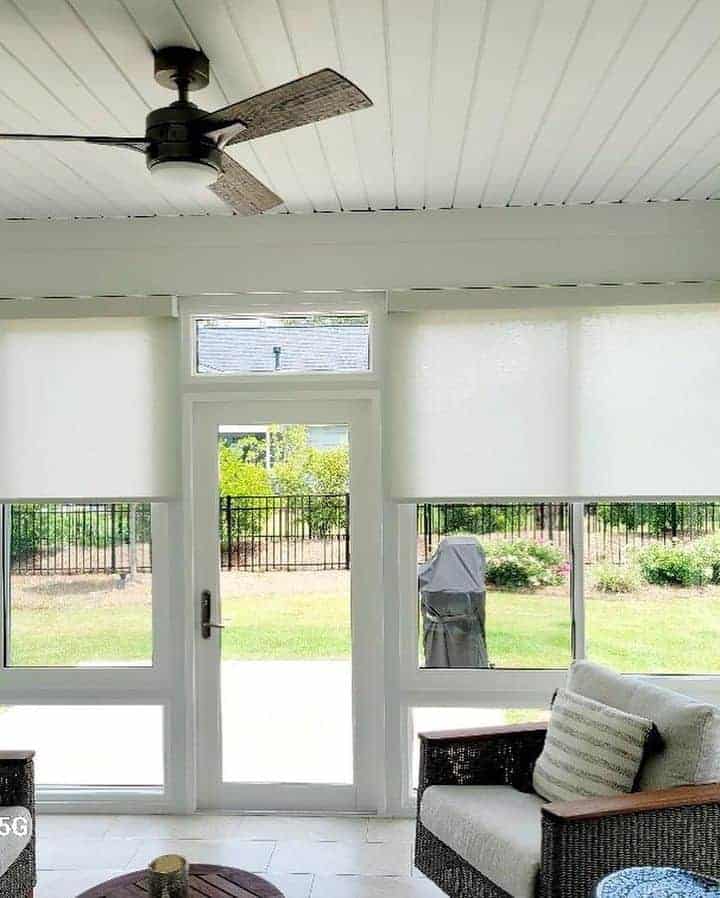
A significant number of drapery problems — panels that look uneven, rods that sag, treatments that block too much light when open — trace back to measurement errors made before anything was even ordered.
Self-measurement sounds straightforward until you’re standing in front of a bay window in your Ocean Isle Beach home trying to figure out stack-back clearance, bracket projection, and whether the wall behind the trim can actually hold the hardware you need. These aren’t trick questions, but they do require experience to answer correctly.
When we measure your windows, we’re accounting for more than just width and height. We’re looking at the mounting surface, wall depth, ceiling height, how much space the drapery will need when fully open, and whether the hardware you’ve chosen can carry the weight of the fabric you’ve selected. Heavier fabrics need stronger rods and anchors. Incorrect hardware leads to sagging rods and damaged walls — and that’s a problem that shows up weeks or months after installation, not on the day.
Getting it right the first time also protects your investment in another way: most premium window treatment manufacturers, including Hunter Douglas and Norman Shutters, require professional installation for their full warranty to remain valid. A DIY install on a $1,200 set of custom drapery panels can quietly void the coverage you paid for without you ever realizing it. That’s not a risk worth taking.
What to Expect on Installation Day in Your Brunswick County Home
Installation day is usually the easiest part of the whole process. By the time we arrive, the measurements are confirmed, the hardware is matched to the fabric, and everything has been ordered to fit your specific windows. There’s no improvising on the day.
For most homes, a standard drapery installation is completed efficiently — brackets go up level, rods are secured properly, panels are hung and adjusted, and the space is cleaned up before we leave. One customer described it simply: “In and out, everything done as agreed.” That’s the goal every time.
Where it gets more interesting is with complex window types. Skylights, bay windows, and high windows that other installers often decline are jobs we handle directly. We’ve completed three-skylight installations and multi-panel bay window configurations in homes throughout Brunswick County, and those jobs follow the same standard: measured correctly, installed cleanly, and done without drama.
If you’re furnishing a vacation rental on Sunset Beach or a second home near Calabash, there’s an added layer to consider. Rental properties need treatments that guests can operate easily without breaking, materials that hold up to high-turnover use, and light control that actually works for people sleeping in an unfamiliar room. We’ve worked with enough Brunswick County investment property owners to understand what holds up and what doesn’t in that context — and we’ll tell you straight when a material or hardware option isn’t the right fit for a rental.
Motorized Drapery and Smart Home Integration: What's Actually Possible
Motorized drapery used to feel like a luxury reserved for high-end custom builds. That’s changed. The technology has become more accessible, more reliable, and — for certain situations — genuinely the better choice over manual operation.
We install and program motorized drapery systems that integrate with smart home platforms, including voice-controlled setups. For high windows where reaching a rod isn’t practical, for vacation rentals where you want consistent operation without guest instructions, or simply for homeowners who want one-touch control over every window in the house, motorized systems are worth a serious look.
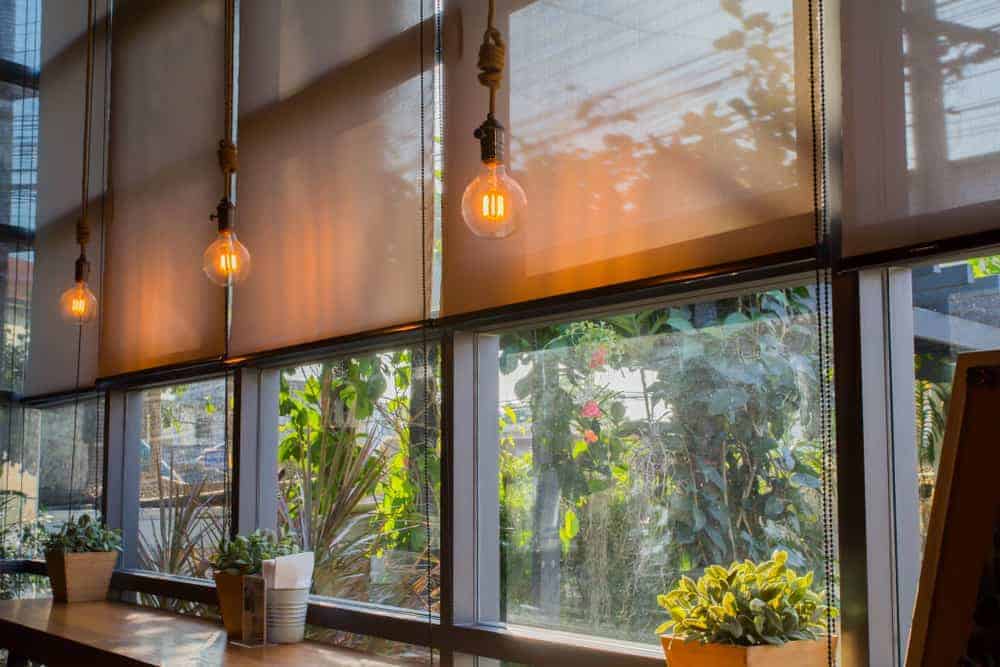
Is Motorized Drapery Worth It for Brunswick County Homes?
The honest answer is: it depends on the window and the household. For most standard windows in a primary residence, manual drapery works perfectly well and there’s no compelling reason to add motorization. But there are situations where it makes a real difference.
High windows are the clearest case. If you have a two-story great room in a newer build in Leland or a tall window wall facing the water, manual operation is either awkward or impossible without a step stool every single day. Motorized systems solve that problem completely.
Vacation and short-term rental properties are another strong use case. Guests don’t read instruction cards. They pull things the wrong way, force mechanisms that aren’t meant to be forced, and sometimes break what they can’t figure out. A motorized system with a simple remote or app control eliminates most of that friction. It also lets you manage the property’s ambiance remotely — useful if you’re renting out a property in Ocean Isle Beach while you’re living elsewhere.
For homeowners who are already invested in a smart home setup — whether that’s Amazon Alexa, Google Home, or Apple HomeKit — motorized drapery integrates cleanly into what you’ve already built. The programming is handled on our end during installation. You don’t need to figure out the technical side yourself.
The key thing to know is that motorized systems require the same precise installation as any other drapery — correct hardware, correct weight capacity, correct bracket placement — plus the added step of programming the motor limits and pairing the system to your platform. That’s not a job for a first-timer, and it’s not something a big-box installation crew is typically equipped to do well.
Drapery Installation in Coastal NC: What the Salt Air and Humidity Actually Do to the Wrong Materials
This is the part of the conversation that most window treatment companies skip — probably because they’re not based in Brunswick County and don’t deal with it firsthand.
Brunswick County is a beautiful place to live. It’s also genuinely hard on certain materials. Salt air accelerates corrosion on metal hardware. Humidity promotes mold and mildew in natural fabrics that aren’t properly lined or ventilated. Intense coastal sunlight fades colors and degrades certain fabrics faster than you’d expect in an inland home. These aren’t edge cases — they’re what happens when you put the wrong materials in the wrong environment.
The answer isn’t to avoid fabric window treatments altogether. It’s to be deliberate about what you choose and where you use it. In rooms with direct coastal exposure — a sunroom in Caswell Beach, a bedroom facing the water in Sunset Beach, a screened porch in Oak Island — we lean toward materials that are specifically designed to handle that environment. Faux wood, poly shutters, and vinyl hold up where real wood and certain natural fabrics won’t. For drapery specifically, fabric selection and lining choices matter more here than they do in a home fifty miles inland.
Hardware is part of this conversation too. Standard metal rods and brackets can corrode in salt air environments, especially in homes right on the water. We factor that into every recommendation — not to upsell you on more expensive hardware, but because the right hardware in the right environment is what makes a window treatment look good five years from now, not just five weeks.
If you’ve moved to Brunswick County from somewhere inland, this might be new information. A lot of our customers are new to the area and are surprised to learn that what worked in their last home isn’t automatically the right choice here. Part of what we do during the consultation is walk you through those differences — so you’re not making a $1,000 decision based on assumptions that don’t apply to the coast.
Ready to Get Your Brunswick County Windows Done Right?
Custom drapery installation isn’t complicated when you’re working with someone who’s done it hundreds of times, knows the local environment, and shows up when they say they will. The process is straightforward: one in-home visit for measurement and samples, a 10–21 day manufacturing window, and a clean installation that’s done right the first time.
Whether you’re in Shallotte, Oak Island, Leland, Calabash, or anywhere else in Brunswick County, the starting point is the same — a free consultation where we come to you, bring real samples, and give you a clear picture of what’s possible and what it costs.
We handle everything from standard drapery to motorized systems to the complex installations that other companies tend to avoid. If you’re ready to move forward — or just want to see your options — reach out and we’ll get something on the calendar.

