Summary:
Why Layer Custom Drapes and Shades Together
Layering window treatments isn’t just a design trend—it’s a practical solution that addresses multiple needs simultaneously. When you combine custom drapes with shades, you’re creating a system that adapts to your daily routine and North Carolina’s changing light conditions.
Single window treatments force you into an all-or-nothing approach. Shades alone might control light but lack the softness and insulation that drapes provide. Drapes by themselves can be too heavy for everyday adjustments and may not offer precise light control.
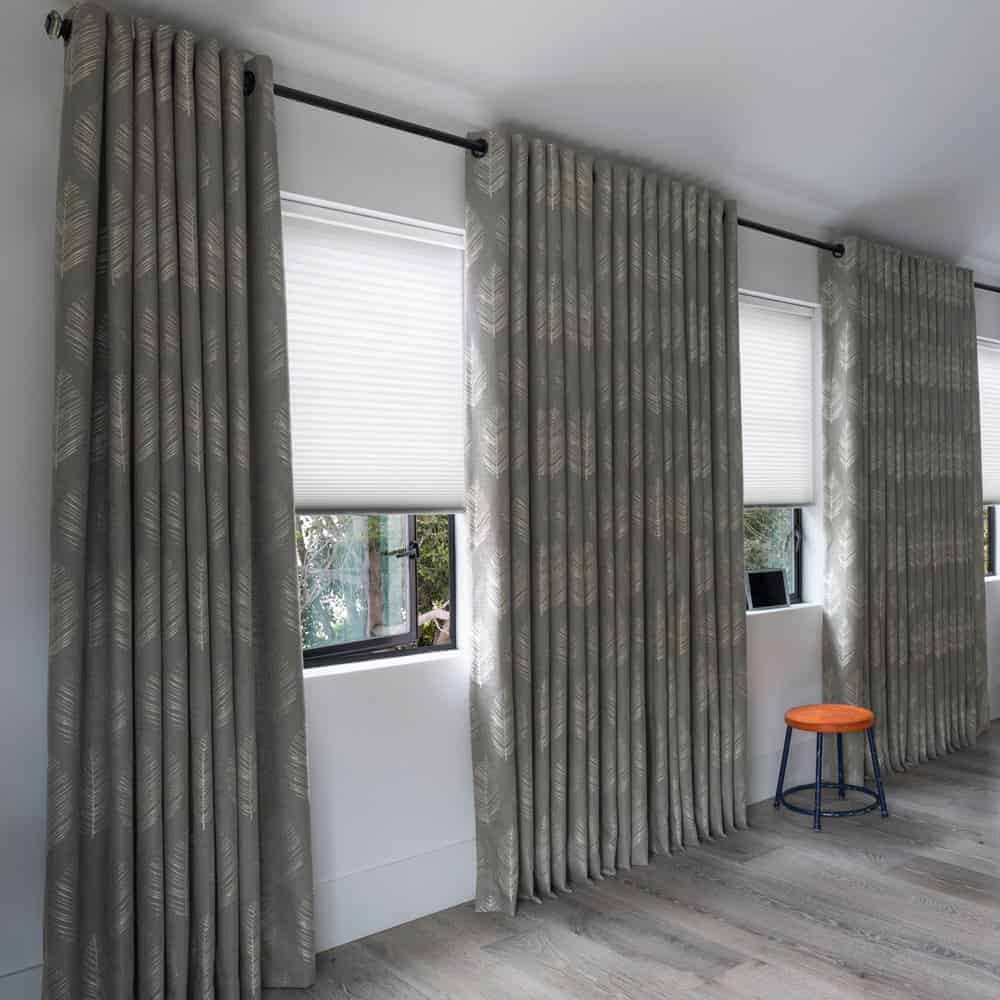
The layered approach gives you options. You can use shades for daily light management while keeping drapes open, then draw the drapes for complete privacy or dramatic light blocking when needed.
Enhanced Light Control Throughout the Day
North Carolina’s intense sunshine creates unique lighting challenges that change throughout the day. Morning light might be perfect for your kitchen, but by afternoon, that same window could be creating uncomfortable glare in your living space.
Layered treatments let you fine-tune your lighting like a professional photographer adjusts camera settings. Light-filtering shades can soften harsh midday sun while maintaining your view of the outdoors. When evening approaches and you want complete privacy, your drapes provide that extra layer of coverage.
This flexibility is especially valuable in coastal areas where the quality of light changes dramatically based on weather conditions. On overcast days, you might want maximum light penetration. During bright, sunny periods, you need the ability to dial it back without losing your connection to the outdoors.
The key is choosing the right opacity levels for each layer. Sheer or light-filtering shades work beautifully as your primary light control, while medium to heavy drapes serve as your privacy and dramatic light-blocking layer. This combination ensures you’re never stuck with too much or too little light.
Consider rooms with different functions throughout the day. Your home office might need bright light for morning work sessions but softer, warmer lighting for evening relaxation. Layered treatments make these transitions seamless without requiring you to change your entire window setup.
Climate Protection for North Carolina Homes
North Carolina’s coastal climate presents specific challenges that single-layer window treatments simply can’t address effectively. High humidity, salt air, and intense UV radiation require a more sophisticated approach to window covering.
Layered treatments create multiple barriers against these environmental factors. Your outer layer of drapes acts as a buffer against temperature fluctuations and provides additional insulation during both hot summers and cooler winter months. The inner shade layer offers UV protection that helps preserve your furniture and flooring from sun damage.
Moisture resistance becomes crucial in coastal areas. When you layer treatments, you can choose materials specifically suited to each layer’s function. Your shades might be made from moisture-resistant synthetic materials that handle humidity well, while your drapes can be crafted from natural fibers that provide superior insulation and aesthetic appeal.
The insulation benefits of layered treatments are particularly noticeable during North Carolina’s humid summers. Multiple layers create air pockets that help regulate indoor temperatures, reducing your reliance on air conditioning. This translates to lower energy bills and a more comfortable living environment.
During winter months, layered treatments help prevent cold drafts and heat loss through windows. The combination of fabric layers creates an effective thermal barrier that keeps warm air inside where it belongs. This is especially important for older homes or those with large window areas that tend to lose heat more readily.
Salt air and coastal winds can be particularly harsh on window treatments. Layered systems allow you to protect your more expensive drapes by using the shade layer as the primary barrier against these elements, extending the life of your investment while maintaining optimal function.
Selecting the Right Fabric and Material Combinations
The success of layered window treatments depends heavily on choosing complementary materials that work together both functionally and aesthetically. Your fabric choices should consider North Carolina’s climate demands while reflecting your personal style preferences.
Start with your shade selection, as this will be your primary functional layer. Consider how often you’ll adjust these throughout the day and choose materials that can handle frequent use while standing up to humidity and UV exposure.
Your drape selection should complement the shade while providing the aesthetic impact and additional functionality you’re seeking. Think about weight, texture, and how the materials will interact when layered together.

Choosing Shades for Your Base Layer
Your shade selection forms the foundation of your layered system, so durability and functionality should be your primary considerations. For North Carolina homes, moisture-resistant materials like faux wood, aluminum, or synthetic fabrics offer the best long-term performance.
Cellular shades deserve special consideration for coastal homes. Their honeycomb structure creates insulating air pockets that help regulate temperature while providing excellent light filtering options. You can choose single, double, or triple cell construction based on your insulation needs.
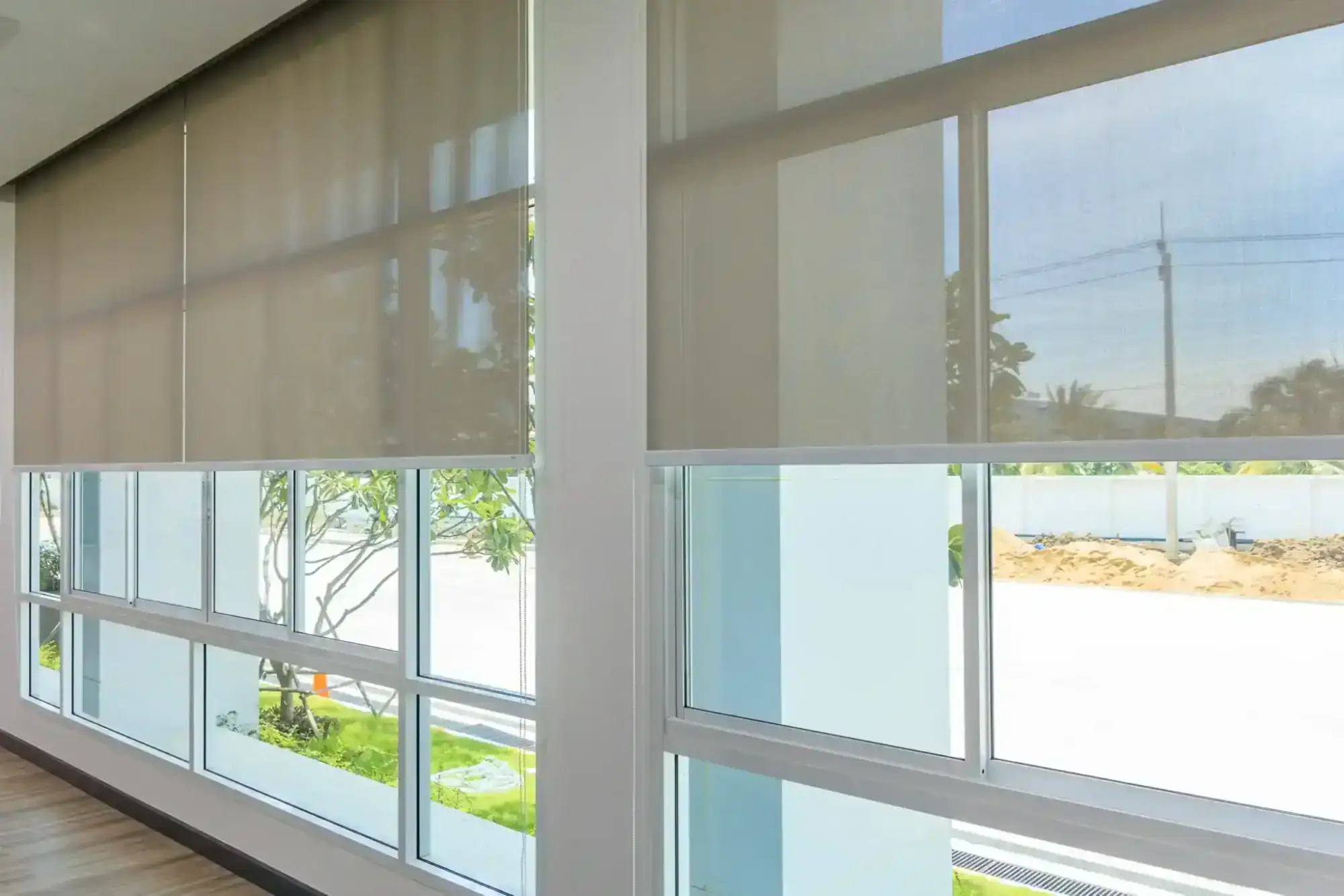
Light-filtering roller shades made from moisture-resistant fabrics offer clean lines and easy operation. They’re particularly effective in spaces where you want consistent light control without the visual weight of more traditional treatments. Solar shades are another excellent option, providing UV protection while maintaining outdoor views.
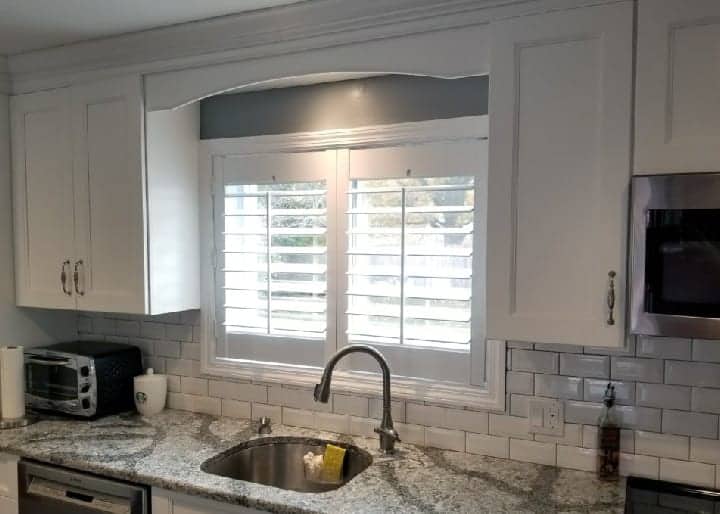
Roman shades bring a softer, more traditional look to your layered system. When choosing Romans for coastal areas, opt for moisture-resistant fabrics and consider how they’ll stack when raised. The folded fabric can add visual interest but requires adequate space above the window.
Consider the opacity level carefully. Light-filtering options work well for most living spaces, allowing natural light while providing privacy. Room-darkening shades might be necessary for bedrooms or media rooms, but remember that your drape layer can provide additional light blocking when needed.
The operating system matters too. Cordless options are safer for families with children and create cleaner lines. Motorized shades offer ultimate convenience, especially for hard-to-reach windows or when you want to adjust multiple treatments simultaneously.
Selecting Drapes for Style and Function
Your drape selection brings personality and finishing touches to your layered window treatment system. This is where you can express your style while adding the final functional elements like enhanced privacy and insulation.
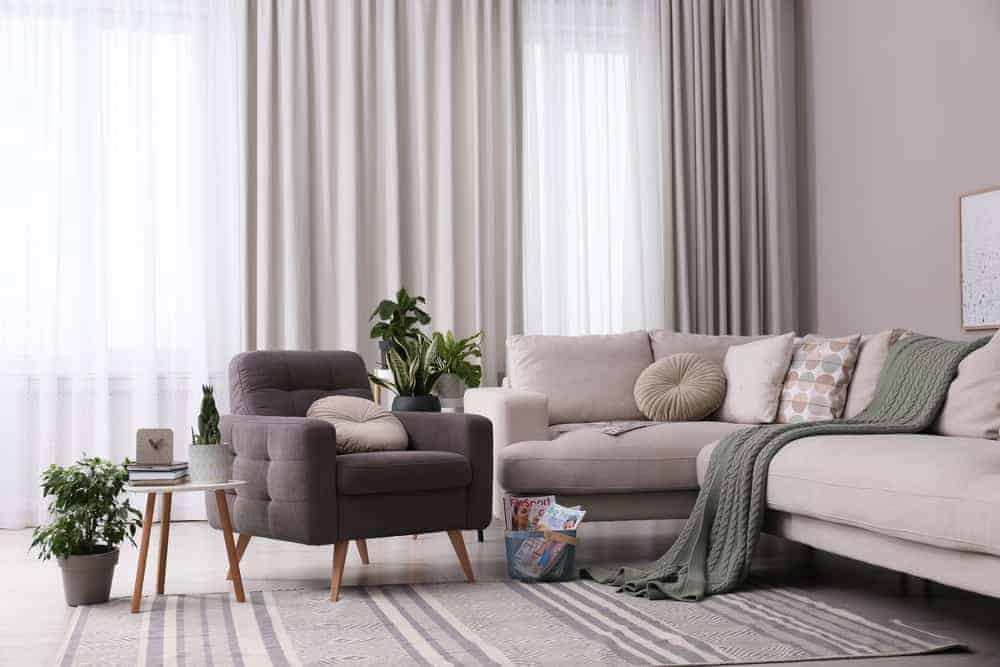
Fabric weight plays a crucial role in both appearance and function. Lighter fabrics like linen or cotton blends offer a casual, breezy feel that works well in coastal settings. They provide moderate insulation and light control while maintaining a relaxed aesthetic that complements beach-inspired interiors.
Medium-weight fabrics such as cotton duck or linen blends offer more structure and better light control. These materials hang beautifully and provide good insulation without overwhelming smaller spaces. They’re versatile enough to work in both casual and more formal settings.
Heavy fabrics like velvet or thick cotton provide maximum light blocking and insulation. While they create a more formal appearance, they’re excellent for bedrooms, media rooms, or any space where complete light control is essential. In North Carolina’s climate, these heavier fabrics also provide superior temperature regulation.
Consider lining options carefully. Blackout lining transforms any fabric into a room-darkening solution, while thermal lining enhances insulation properties. Interlining adds body and luxury to the drapes while improving their insulating capabilities.
Pattern and color choices should complement your existing décor while considering how they’ll interact with your shade layer. Solid colors offer versatility and timeless appeal, while patterns can add visual interest and personality. Remember that bold patterns will be more prominent when the drapes are closed, so consider how often you’ll use them in this position.
The header style affects both appearance and function. Pinch pleats offer classic elegance and stack compactly when open. Grommet tops provide a more contemporary look and operate smoothly on rods. Rod pocket headers create a casual, gathered appearance that works well in relaxed settings.
Creating Your Perfect Layered Window Treatment System
Layering custom drapes and shades transforms your windows from simple openings into sophisticated control systems that adapt to your lifestyle and North Carolina’s unique climate demands. The key is understanding that each layer serves a specific purpose while contributing to the overall aesthetic and functionality of your space.
Start with your functional needs—consider how much light control and privacy you need throughout the day, then select materials that can handle coastal humidity and intense sunshine. Remember that the best layered systems offer flexibility, allowing you to adjust your environment as conditions change.
When you’re ready to create your own layered window treatment system, we can guide you through the selection process and ensure proper installation for lasting beauty and performance.