







Hear from Our Customers

A lot of Calabash homes were designed around the view — golf course fairways, quiet ponds, the Calabash River catching afternoon light. The problem is that same light is doing real damage to your floors, your furniture, and your upholstery every single day. Custom window shades solve that without asking you to give up the reason you bought the house.
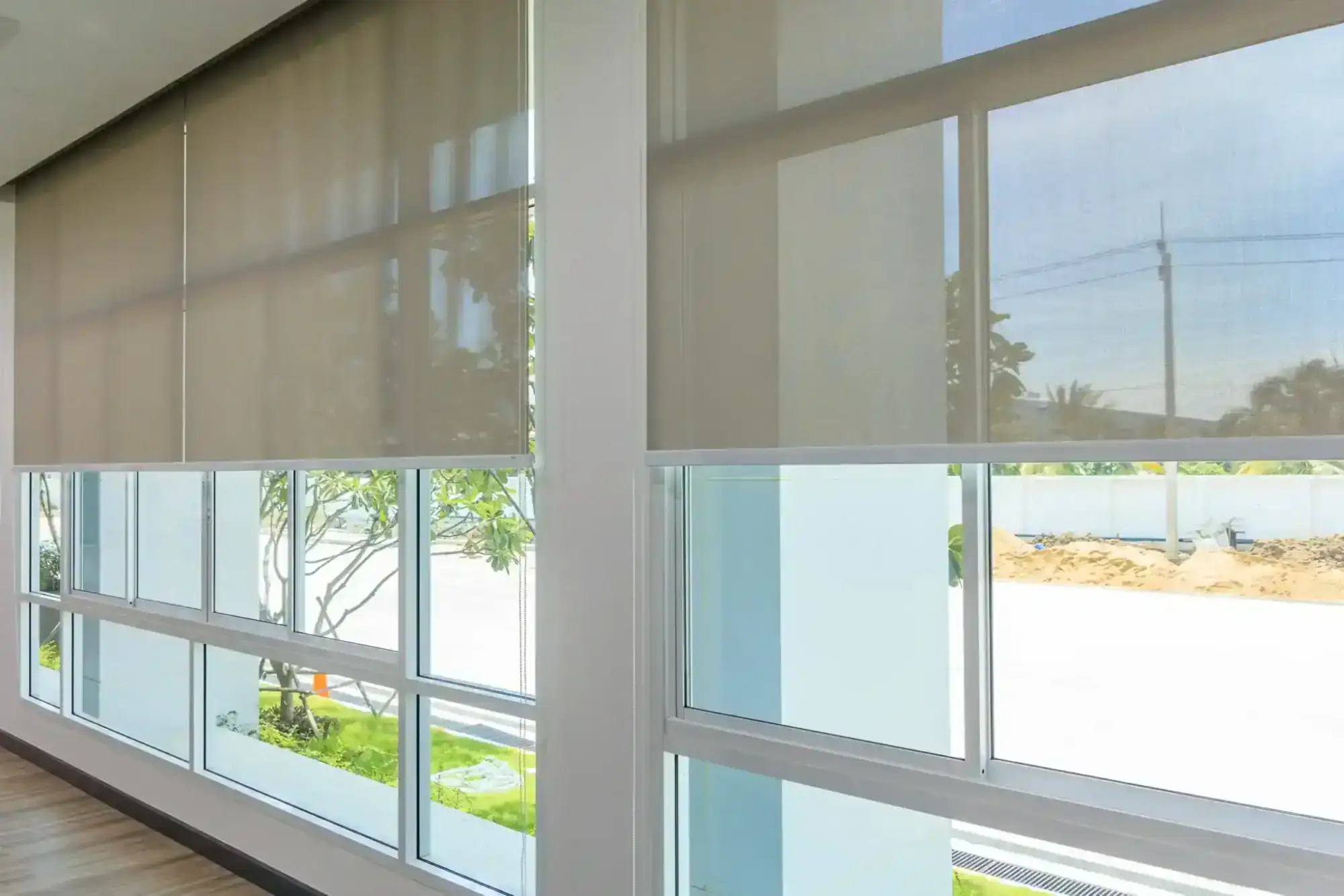
Solar shades are the right answer for most homes in this area. They cut UV exposure significantly — some block up to 99% — while keeping the outward view completely intact. In a community like Crow Creek or Devaun Park, where the whole point of the home is the setting, that balance matters. You’re not just managing light, you’re protecting an investment that took years to get right.
And because Calabash sits in a coastal environment with real humidity, material selection matters more than most people realize. Faux wood blinds hold up where real wood warps. Moisture-resistant cellular shades outperform standard fabric in the long run. Getting that right from the start is exactly what a local expert — someone who installs in Brunswick County homes every week — is actually for.
Coastal Window Fashions NC is owned and operated by Sal, who personally handles every consultation, every measurement, and every installation. There’s no crew dispatch, no subcontractor showing up in a different truck, no handoff between the person who sold you something and the person who installs it. What you discuss in the consultation is exactly what gets installed — because it’s the same person doing both.
We serve Calabash and the surrounding coastal communities, including Carolina Shores, Sunset Beach, and Ocean Isle Beach. We’re an authorized Graber dealer, which means the products are professionally sourced and manufacturer-warranted — not pulled from a big-box shelf. Customers across HomeAdvisor, Angi, and Thumbtack consistently rate the experience 5 stars, and more than a few mention that the quote came in lower than every other estimate they received.
If you’re in a newer community like Kingfish Bay or Spring Mill Plantation and you’ve been living with bare windows since move-in, this is a straightforward fix. One visit. On-the-spot quote. Done in as little as 10 days.

It starts with a single in-home consultation. Sal comes to your home in Calabash — whether you’re in Brunswick Plantation, FarmStead, or anywhere along the US 17 corridor — measures every window, walks you through your options, and gives you a quote before he leaves. No waiting three days for an emailed estimate. No pressure to decide on the spot, either. You just get real information, real pricing, and enough time to think it through.
Once you’re ready to move forward, your custom window shades are ordered to your exact measurements. That precision matters more than most people expect. A shade that’s even a quarter-inch off will either leave light gaps or fight the frame every time you adjust it. Custom sizing eliminates both problems entirely.
From order to installation typically runs about 10 days. When Sal comes back to install, most jobs are done in under an hour. Interior window shade installation doesn’t require a permit in North Carolina, so there’s no waiting on inspections or approvals. If you’re in an HOA-governed community — which covers most of the planned developments in the Calabash area — we can help you think through exterior appearance considerations before you finalize your selections, so nothing comes back as a compliance issue later.

Ready to get started?
We carry the full range of custom window shade options — roller shades, solar shades, cellular shades, Roman shades, woven wood shades, and more. For Calabash homes specifically, solar shades and light filtering shades tend to be the most requested, because most of the housing stock here is oriented toward outdoor views and residents want UV protection without sacrificing sightlines.
Blackout shades are a strong choice for bedrooms, especially in homes that get direct eastern or western exposure. Cellular shades — also called honeycomb shades — add a layer of insulation that makes a real difference in the long, hot Calabash summers and helps keep heating costs down in cooler months. Every product is custom-fabricated to your exact window dimensions, which is the only way to get a clean, finished look in the larger window profiles common in retirement and active-adult communities like Meadowlands or Saltaire Village.
If you’re furnishing a new construction home and need window treatments throughout — great room, primary bedroom, guest rooms, Carolina room, the whole house — that’s a single consultation and a single installation visit. You don’t need to manage multiple vendors or coordinate separate schedules. Every window gets handled the same way: measured precisely, ordered correctly, and installed by the same person who looked at it in the first place.

Calabash sits in a humid subtropical environment with intense summer UV, warm temperatures that stretch well into fall, and the salt-influenced air common throughout the Brunswick Islands. That combination affects how window treatments perform over time, and it’s one of the main reasons material selection matters here more than it might in an inland market.
For most Calabash homes, solar shades and faux wood blinds tend to hold up best. Solar shades are engineered to block UV rays — sometimes up to 99% depending on the fabric opacity you choose — while still allowing outward visibility. That’s a meaningful advantage in communities like Brunswick Plantation or Crow Creek, where the view is part of what you paid for. Faux wood blinds resist the warping and bowing that real wood develops in coastal humidity, which means they’ll still look and operate correctly five years from now. Cellular shades with moisture-resistant fabrics are another strong option for rooms that see a lot of humidity. The short version: there are products built for this environment, and there are products that will struggle in it. Getting guidance from someone who installs in Brunswick County homes regularly is the easiest way to make sure you’re choosing the right one.
From the initial in-home consultation to finished installation, the typical timeline runs about 10 days. That covers the consultation visit, the custom fabrication of your shades to your exact window measurements, and the installation appointment. Most installations are completed in under an hour once Sal arrives, depending on the number of windows being done.
That turnaround is worth mentioning specifically for new homeowners in Calabash’s active construction communities. With over 136 new home communities in the broader area — and a population that’s grown more than 70% since 2020 — there are a lot of people who moved into a Kingfish Bay or FarmStead home and have been managing with temporary curtains or nothing at all while they figure out next steps. Ten days from consultation to installed is a realistic, achievable timeline that doesn’t require you to plan around a six-week wait. If you have a specific date you’re working toward — a family visit, a move-in milestone, a seasonal deadline — that’s worth mentioning during the consultation so the schedule can be built around it.
The honest answer is yes — but it depends on what you’re comparing and what you’re expecting from the result. Store-bought shades typically last three to five years before they start fading, sagging, or operating poorly. Custom window shades, properly selected and installed, routinely last 10 to 15 years. When you spread the cost out over that lifespan, the price difference between custom and off-the-shelf narrows considerably.
There’s also the fit issue, which matters more in practice than most people expect before they experience it. A shade that doesn’t fit your window precisely will either leave light gaps along the edges — which defeats the purpose of a blackout shade or a light filtering shade — or it’ll bind in the frame and wear out faster. In Calabash’s retirement and active-adult communities, where homes are finished to a higher standard and window quality is part of the overall presentation, a store-bought shade that doesn’t quite fit is visually obvious. Custom sizing eliminates that problem entirely. You’re also getting a product that’s appropriate for your specific environment — coastal humidity, UV intensity, the light conditions of your particular room — rather than a generic option that may or may not hold up here.
Yes — motorized window shades are available and are a genuinely practical option for a lot of Calabash homeowners, not just a luxury upgrade. The most common use case is large windows or high windows that are awkward to reach manually. In the open floor plans and vaulted great rooms common in communities like Devaun Park or Brunswick Plantation, motorized shades let you adjust light levels without climbing on furniture or dealing with long pull cords.
For seasonal residents or vacation homeowners who aren’t in Calabash year-round, motorized shades are particularly useful. You can set schedules, control shades remotely, and manage UV exposure on your furnishings even when you’re not there. That’s a real benefit when you’ve invested in quality interior finishes and you’re not around to adjust the shades manually during peak sun hours. Motorized options are available across multiple shade types — roller shades, solar shades, cellular shades — so you’re not limited to one product style if you want the motorized function. Sal can walk you through the specific options during your consultation and help you figure out which rooms make the most sense for motorization versus manual operation.
Interior window shade installation doesn’t require a building permit in North Carolina — it’s not a structural or electrical change that triggers the permitting process. So from a municipal standpoint, there’s nothing to file or wait on before your installation can happen.
HOA guidelines are a separate consideration, and most of Calabash’s planned communities — Brunswick Plantation, Crow Creek, Kingfish Bay, Meadowlands, and others — do have appearance standards that govern what’s visible from outside the home. In most cases, those guidelines address things like uniform lining color on window treatments when viewed from the street, or restrictions on reflective materials. They’re generally not complicated to work within, but it’s worth reviewing your specific community’s guidelines before finalizing your selections. During the consultation, we can help you think through exterior visibility for each window and flag anything that might be worth confirming with your HOA before the order is placed. The goal is to get it right the first time, so you’re not dealing with a revision request after installation.
The right choice depends on the room, the direction it faces, and what you’re actually trying to accomplish. Light filtering shades diffuse sunlight — they soften the brightness and reduce glare while still letting natural light into the room. They’re a strong choice for living areas, dining rooms, and kitchens where you want daytime light without direct sun beating through the glass. In Calabash homes that face south or west, where afternoon sun can make a room genuinely uncomfortable in summer, light filtering shades make a noticeable difference without making the space feel dark.
Blackout shades block light almost entirely, which makes them the right call for bedrooms — especially if your home gets early morning eastern light or if you’re a light sleeper. They’re also worth considering for media rooms or home offices where screen glare is an issue. Some homeowners in Calabash’s active-adult communities use blackout shades in guest bedrooms specifically, since guests often have different sleep schedules than the primary residents. In practice, a lot of whole-home installations end up using both — light filtering shades in the main living areas and blackout shades in the bedrooms — because the needs of each room are genuinely different. That’s exactly the kind of room-by-room conversation that happens during the in-home consultation, so you’re not guessing at what works where.