







Hear from Our Customers

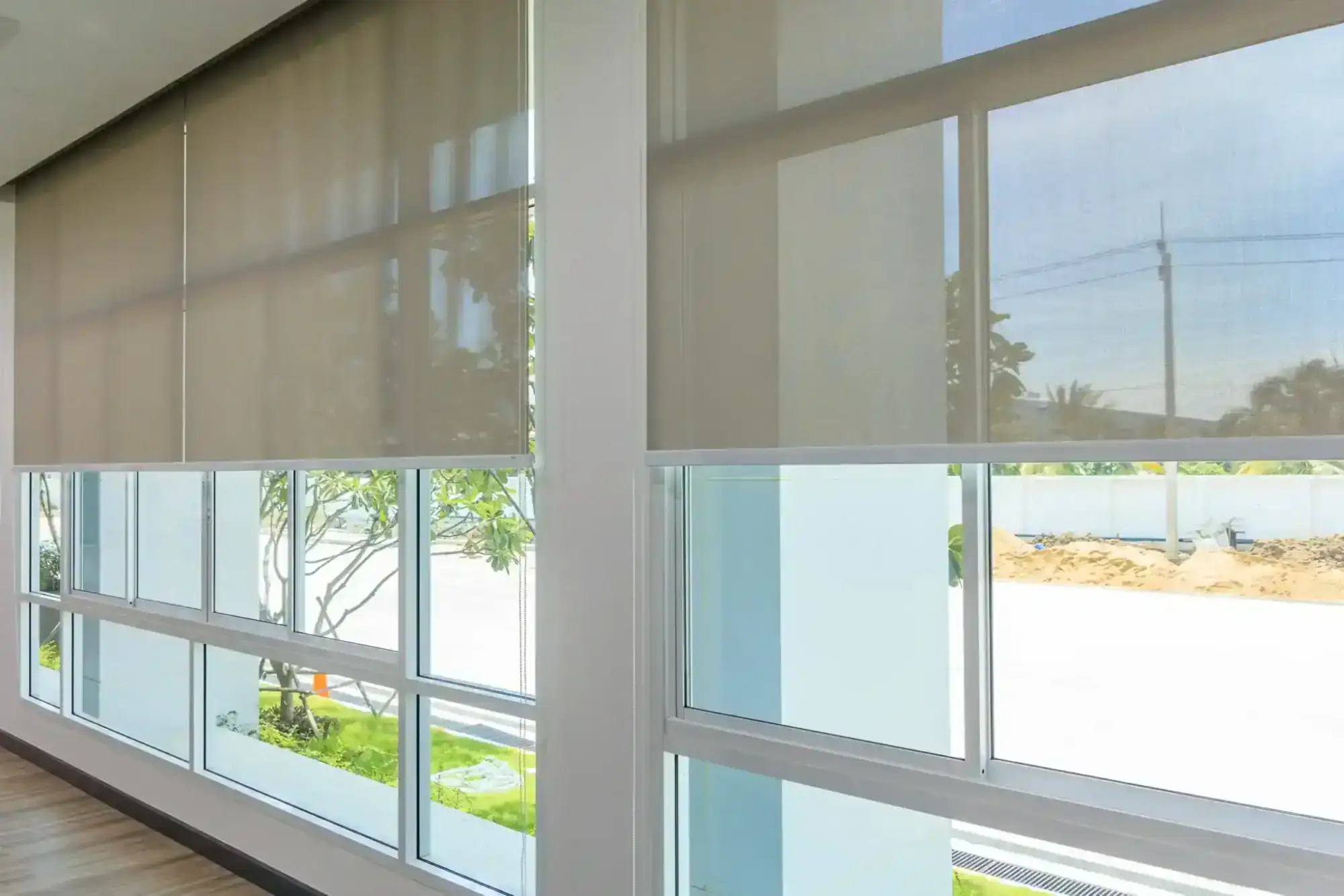
Wrightsville Beach homes take a beating from the sun. June through August, the UV index regularly hits 7 or higher, and that coastal light doesn’t discriminate — it fades hardwood floors, bleaches upholstery, and breaks down finishes over time. The right custom window shades block that UV load without turning your living room into a cave. Solar shades, in particular, are engineered to do exactly that: cut heat and UV while keeping your view of the Atlantic, Banks Channel, or the Intracoastal Waterway completely intact.
Beyond UV protection, humidity is a real factor here. With moisture levels routinely between 73 and 91 percent depending on the season, the materials behind your window treatments matter more than most people realize. Not every fabric or hardware finish holds up in a salt-air environment. Choosing the wrong product means replacing it in a few years instead of enjoying it for a decade or more. Getting the right recommendation from someone who actually knows this market — not a national catalog rep — makes a measurable difference in how long your investment lasts.
And if your property is a vacation rental, window treatments directly affect your guest reviews. Blackout shades in bedrooms mean guests sleep well and leave five-star ratings. Light-filtering shades in common areas mean your listing photos look bright and inviting. These aren’t abstract benefits — they show up in your bookings.
We’re an authorized Graber dealer based in Hampstead — a short drive from Wrightsville Beach via US 17 and the Causeway. Sal owns the business and personally handles every job: the consultation, the measurements, the product recommendation, and the installation. There are no subcontractors. The person who shows up to install your shades is the same person who helped you pick them.
That matters in a market like Wrightsville Beach, where homes on Harbor Island, the South End, and the oceanfront corridor represent serious investments. You’re not handing the job off to someone reading from a clipboard. You’re working with someone who has spent years installing window treatments in coastal homes across New Hanover County and understands exactly what holds up — and what doesn’t — in this environment.
Our review record backs it up. Consistently rated 5 stars across Google, Angi, HomeAdvisor, and Thumbtack, with customers repeatedly pointing to the same thing: he shows up, does the work right, and stands behind it.

It starts with an in-home consultation. Sal comes to your Wrightsville Beach property, takes accurate measurements, and walks you through your options based on the specific conditions of each room — which direction the windows face, how much light comes in, whether you need privacy from the beach side or the street side, and what material makes sense given the coastal environment. You get a quote on the spot. No waiting a few days for a callback, no vague estimates that shift later.
Once you confirm, your custom shades are ordered through Graber’s manufacturing process. Most projects go from consultation to completed installation in approximately 10 days. That timeline matters if you’re preparing a rental property before peak season or outfitting a home you just closed on and want livable before summer hits the island.
Installation itself is typically under an hour per room. Sal handles the mounting, makes sure every shade operates correctly, and walks you through how everything works before he leaves. Interior window treatments in Wrightsville Beach don’t require permits — unlike exterior modifications, which fall under the town’s Coastal Area Management Act oversight — so there’s no waiting on approvals or inspections. You book, he comes, it’s done.

Ready to get started?
We carry the complete Graber line, which means you’re not limited to whatever a showroom happens to have in stock. Roller shades, cellular shades, Roman shades, solar shades, woven wood shades, plantation shutters, vertical blinds, and custom draperies — every window type in a Wrightsville Beach home can be addressed in a single project.
For ocean-facing and south-facing windows, solar shades are the most common recommendation. They reduce solar heat gain significantly, which matters when your home is pulling in direct Atlantic sun all afternoon, and they block UV without obstructing the view you paid for. For bedrooms — especially in vacation rental properties on the island — room-darkening and blackout shades are the practical choice. Guests sleep better, and the shades hold up through rotating occupants without showing wear the way cheaper alternatives do.
Cellular shades are worth considering for any room where insulation matters. They add measurable R-value above bare glass, which helps manage cooling costs during the long coastal summer and keeps rooms comfortable when January temperatures drop into the mid-30s overnight. Faux-wood options outperform real wood in high-humidity environments like Wrightsville Beach — a detail that’s easy to overlook until the wrong material starts warping. Every recommendation we make is grounded in what actually performs here, not just what looks good in a sample book.

Solar shades are the most practical choice for ocean-facing or south-facing windows in Wrightsville Beach. They’re specifically designed to block UV radiation and reduce solar heat gain while keeping your outward view clear — so you’re not choosing between protecting your interior and seeing the water. For homes along the oceanfront, Banks Channel, or the Intracoastal side, that combination is hard to beat.
Beyond solar shades, material selection matters more here than it does inland. Salt air and sustained humidity — Wrightsville Beach regularly sees humidity levels between 73 and 91 percent depending on the season — accelerate wear on certain fabrics and hardware finishes. Faux-wood blinds hold up significantly better than real wood in this environment, and moisture-resistant fabrics extend the life of your investment considerably. The right product recommendation isn’t just about aesthetics; it’s about choosing something that’s still performing well five or ten years from now, not something you’re replacing in three.
From the initial in-home consultation to completed installation, most projects take approximately 10 days. That includes the time to measure, order through Graber’s manufacturing process, and schedule the installation. The installation itself is typically under an hour per room, so even a whole-home project doesn’t require a full day of disruption.
For Wrightsville Beach homeowners preparing a vacation rental before the summer season, or new buyers who just closed and want the home livable before the island gets busy, that timeline is meaningful. There’s no permit required for interior window treatments here — unlike exterior modifications, which fall under the town’s Coastal Area Management Act oversight — so nothing is waiting on a town approval. You schedule the consultation, confirm the quote on the spot, and the project moves forward without bureaucratic delays.
Yes — and they’re one of the most consistently impactful upgrades you can make to a short-term rental on the island. Sleep quality is one of the most commonly cited factors in guest reviews, and beachfront properties present a specific challenge: early morning light comes in strong from the east, and street-level or boardwalk activity along the Loop can create ambient light at night. Blackout shades in bedrooms address both problems directly.
Beyond the guest experience angle, cordless and motorized blackout shade options reduce the wear-and-tear issues that come with rotating occupants. Guests operate them correctly without instructions, there’s no cord damage or tangling, and the shades hold up through a full rental season without looking worn. For property owners managing multiple bookings on Wrightsville Beach, the combination of durability and guest satisfaction makes blackout shades in bedrooms a straightforward investment with a clear return.
No. Interior window treatments — including custom shades, blinds, and shutters — do not require a permit in Wrightsville Beach. Permits are required for structural or exterior modifications, which fall under the oversight of the town’s Planning and Inspections Department and, in some cases, the Coastal Area Management Act. Interior work doesn’t trigger any of that.
This is worth knowing if your property has a historic designation or sits in a regulated area of the island. Wrightsville Beach has a Historic Landmark Commission that oversees certain exterior changes, and homeowners in those properties sometimes assume interior improvements carry the same review requirements. They don’t. Custom window shades can be installed without any approval process, which means your project timeline is driven entirely by product lead time and scheduling — not by waiting on the town.
They can, and the impact is most noticeable in homes with a lot of south- or west-facing glass — which is common in Wrightsville Beach given how many properties are oriented toward the ocean or the channel. Solar heat gain through unprotected windows is one of the primary drivers of cooling costs during the coastal summer, when afternoon temperatures regularly push into the upper 80s and the sun is hitting your windows for hours at a time.
Cellular shades are the most effective option for insulation. They add measurable R-value above bare glass — typically between 1 and 5 points depending on the shade configuration — which reduces heat transfer in both directions. That means lower cooling costs in summer and better heat retention when January overnight temperatures drop into the mid-30s. Solar shades address heat gain specifically by blocking solar radiation before it enters the room, without sacrificing visibility. Neither product is a magic solution, but in a home with significant glass exposure in a coastal climate, the difference is real and compounds over time.
The decision usually comes down to how the room is used and which direction it faces. For bedrooms — especially in homes used as vacation rentals or for guests — blackout shades are almost always the right call. The eastern exposure that makes Wrightsville Beach mornings beautiful also means early light floods in fast, and blackout shades are the only product that fully addresses that.
For living areas, dining rooms, and spaces where you want natural light without glare or UV exposure, light-filtering shades are the better fit. They soften the light, reduce heat gain, and give you daytime privacy from the street or the beach-side foot traffic — without making the room feel closed off. Solar shades sit in a similar category but are specifically engineered for high-sun exposures where view preservation matters. If you have a room with a direct ocean or channel view that gets significant afternoon sun, a solar shade lets you manage the heat and UV without covering the window entirely. We walk through exactly this kind of room-by-room decision during the consultation, so you’re not guessing on your own.
Other Services we provide in Wrightsville Beach