







Hear from Our Customers
Living on a barrier island means your Carolina Beach home faces conditions that most window treatment retailers never think about. Salt air eats through cheap metal hardware. Sustained coastal humidity warps real wood. Direct Atlantic sun fades standard fabrics faster than most people expect. When your blinds are chosen with all of that in mind, they don’t just look better — they hold up.
The right custom blinds in Carolina Beach do more than cover a window. They manage the intense glare that comes off the water without blocking the view you paid for. They keep bedrooms dark for guests and family. They reduce heat gain through glass during long coastal summers, which makes a real difference on your energy bill when the humidity is sitting at 85% and your AC is already working hard.
If you own a vacation rental on Pleasure Island, that matters even more. Guests notice when blinds are broken, stuck, or letting light pour in at 6 a.m. Cordless, durable, professionally installed window treatments are one of the quieter details that keeps your reviews strong and your property competitive on the listing platforms.
Coastal Window Fashions NC is a single-operator business run by Sal — not a franchise, not a call center, not a rotating crew. When you book a consultation, Sal is the one who shows up, takes every measurement, places the order, and handles the installation from start to finish. That means nothing gets lost between a salesperson and an installer, because they’re the same person.
Sal has been serving Carolina Beach homeowners and the surrounding New Hanover County area for years, with more than 4,000 completed window treatment services and 50 years of combined design and installation experience behind him. He’s worked on beachfront cottages, canal-side homes, condo units in communities like Sea Colony, and vacation rental properties throughout Pleasure Island — the kind of properties where the environment genuinely tests what you put on your windows.
As a registered Graber dealer, we source warrantied, professionally specified products — not the same stock you’d find at a big-box store or shipped from an online retailer with no idea what your home actually looks like.

It starts with a free in-home consultation. Sal comes to your Carolina Beach home — whether you’re on the oceanfront, on a canal, or in a condo off Lake Park Boulevard — with a full range of samples so you can see exactly how each option looks in your actual light, against your actual walls. That part matters more than most people realize. What looks right under showroom fluorescents often looks completely different in coastal morning light.
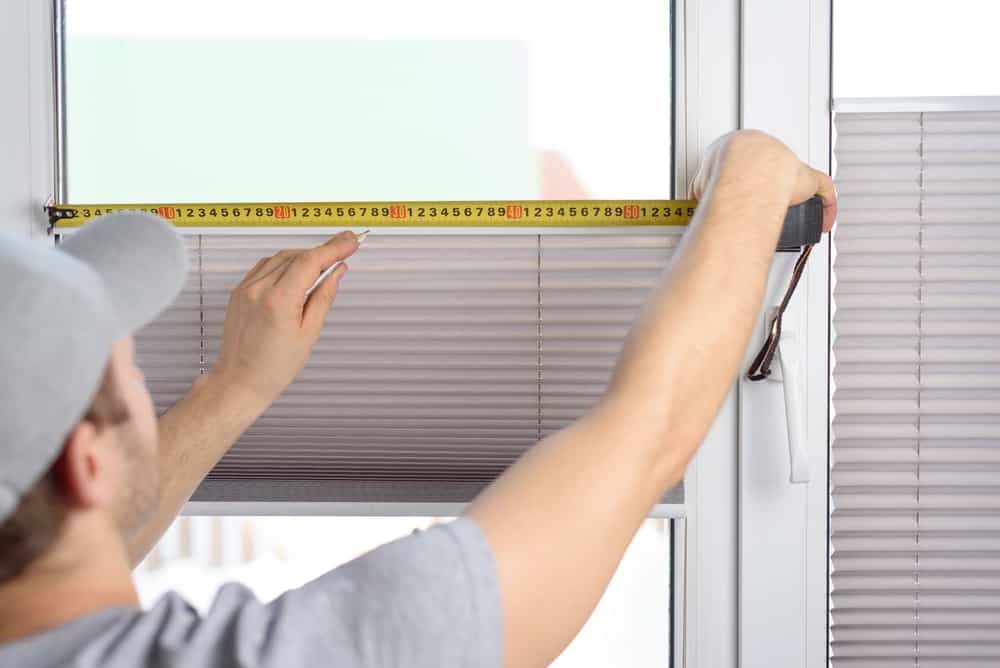
Once you’ve landed on the right products, Sal takes precise measurements on the spot. Custom blinds are unforgiving — a wrong measurement is a wasted order — and older Pleasure Island homes especially tend to have window frames that aren’t perfectly square. That’s not a problem when the person measuring is also the person installing.
From there, your order is placed and Sal handles the full installation when the products arrive. There’s no handoff to a separate crew, no scheduling a second stranger to come into your home, and no guesswork about whether the install matches what was discussed in the consultation. The whole process runs through one person, which is exactly why it works as well as it does.

Ready to get started?
Every order starts with a real conversation about your space — not a product pitch. Sal will ask how a room is used, which direction your windows face, whether you’re dealing with direct ocean exposure or a more sheltered interior, and whether the property is a primary residence or a vacation rental. Those details change the recommendation. An oceanfront bedroom needs something different than a canal-side living room, and a rental property has different durability requirements than a home you’re living in full-time.
For Carolina Beach homes specifically, we lean toward moisture-resistant and UV-stabilized materials — faux wood over real wood in high-humidity rooms, solar shades for ocean-facing windows where you want to cut glare without losing the view, and cellular shades in spaces where energy efficiency matters. All products are sourced through Graber, which means they come with manufacturer warranties and meet current CPSC cordless safety standards — an important detail for vacation rental properties where families with children are your guests.
Horizontal blinds, light filtering blinds, blackout options for bedrooms, and motorized treatments for hard-to-reach or high-traffic windows are all available. If you’re outfitting a single room or an entire property, the process is the same: Sal measures it, orders it right, and installs it himself. Carolina Beach homeowners don’t need to drive to a Wilmington showroom or wait for a national brand to fit them into a service window — the consultation comes to you.

This is probably the most important question to get right before you spend anything. Real wood blinds are beautiful, but they’re not a great fit for most Carolina Beach homes — especially anything within a few blocks of the ocean. Sustained coastal humidity causes natural wood to warp, swell, and eventually crack, and salt air accelerates the deterioration of standard metal hardware and mechanisms. Most people who’ve lived on Pleasure Island for a few years have already learned this the hard way.
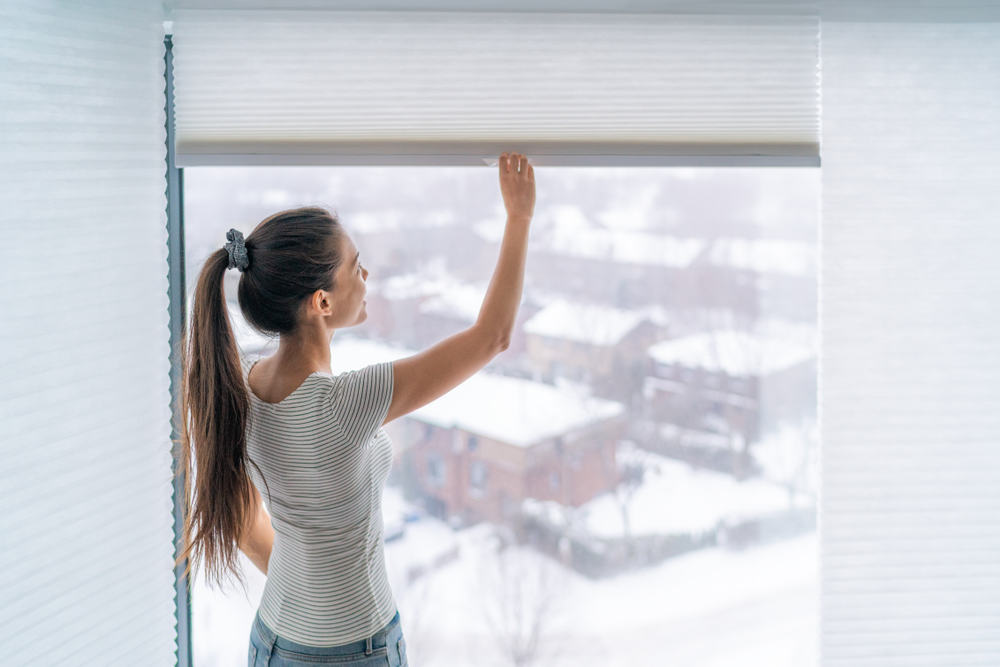
For the majority of Carolina Beach homes, faux wood blinds are the smarter call. They’re made from moisture-resistant composite materials that hold their shape and appearance through the humid subtropical climate this area sits in year-round. For ocean-facing windows where glare and heat gain are the main issues, solar shades are worth a serious look — they cut UV intensity and reduce heat transfer while keeping your view intact. Cellular shades are another strong option for energy efficiency in rooms that take direct afternoon sun. The right answer depends on your specific windows and how the home is used, which is exactly why a free in-home consultation is the right first step before committing to anything.
The range is wide, and it depends on window count, product type, and whether you’re going with manual or motorized operation. For a single standard window with a quality faux wood or light filtering blind, you’re typically looking somewhere in the $150–$350 range installed. A full home with multiple rooms and a mix of product types can run anywhere from $1,500 to $4,000 or more depending on scope and selections.
What’s worth knowing is that the pricing difference between a local professional and a national brand or out-of-market company can be significant — and not in the direction you’d expect. One Carolina Beach customer came to us after being quoted over $900 by a California-based company for a single skylight shade. We installed the same product for just over $300. National brands carry franchise overhead, sales commissions, and logistics costs that get passed directly to you. A local, owner-operated business without that structure can offer honest pricing without the markup. The free in-home consultation includes a full quote with no pressure and no obligation, so you’ll know exactly what you’re looking at before you commit to anything.
As of June 1, 2024, new CPSC federal safety standards require most window coverings sold in the U.S. to be cordless or have inaccessible cords. This applies broadly — not just to vacation rentals — but it’s especially relevant for Carolina Beach property owners who rent through Airbnb, VRBO, or direct booking, where families with young children are a core guest demographic.
Beyond the regulatory side, cordless blinds are simply a better fit for rental properties in practical terms. Corded blinds get tangled, pulled, and damaged by guests who aren’t familiar with how they work. Cordless mechanisms are more intuitive, harder to break, and safer for every guest who walks through the door. For properties where your guest reviews directly affect your booking rate and rental income, the difference between cheap corded blinds and durable cordless window treatments is not a small detail. Carolina Beach’s STR market is competitive, and the properties that consistently earn strong reviews tend to be the ones where every detail — including what’s on the windows — was chosen with guests in mind.
Yes — and this is one of the more specific product decisions that benefits from an in-person consultation rather than an online order. Not all light filtering blinds are the same when it comes to view preservation. The key is solar shades, which are designed specifically to reduce glare and heat gain while maintaining outward visibility during daylight hours. The openness factor of the fabric — typically expressed as a percentage — determines how much light and view you retain. A tighter weave blocks more heat and UV but reduces visibility; a more open weave preserves the view but lets in more light.
For Carolina Beach homes with ocean-facing windows or canal views, the right solar shade can dramatically reduce afternoon glare and cut heat transfer through the glass while keeping the view you paid for. Sal will bring samples to your home so you can see exactly how each openness level looks in your actual light before you commit. What works on a south-facing oceanfront window is different from what works on a west-facing canal window, and those distinctions only become clear when you’re standing in the room with the samples in front of you.
From the initial consultation to finished installation, most orders run between two and four weeks depending on the product type and current lead times. The consultation itself usually takes an hour or less — Sal brings samples, you make decisions, he measures, and that’s the end of your involvement until the install day. There’s no back-and-forth, no waiting for a separate measurer to schedule a visit, and no surprise discoveries on install day because the same person who measured is the one installing.
For Carolina Beach vacation rental property owners working around a rental calendar, timing matters. The window between the end of summer season and the start of the next booking cycle — typically September through early November — is one of the best times to schedule, both because Sal’s schedule tends to open up after peak coastal season and because you’ll have the property ready well before spring bookings start filling in. If you’re working against a tighter timeline, it’s worth calling directly to discuss options. The goal is always to fit your schedule, not the other way around.
Yes — horizontal blinds are one of the most commonly requested products for Carolina Beach homes, particularly for living areas, kitchens, and rooms where you want clean light control without a heavy look. They work well in the coastal aesthetic that most Pleasure Island homes lean toward, and they’re available in a range of materials including faux wood, aluminum, and composite options suited to the humidity and salt exposure this area sees year-round.
Beyond horizontal blinds, the full range of blind services we offer in Carolina Beach includes light filtering shades, blackout blinds for bedrooms, cellular shades, solar shades, and motorized window treatments for high or hard-to-reach windows. Whether you’re outfitting a single room in a condo near the boardwalk or updating every window in a multi-bedroom rental property, the process is the same — one consultation, one person handling it from measurement to installation, and products chosen specifically for the conditions your home actually lives in. Reach out to schedule your free in-home consultation and Sal will come to you anywhere on Pleasure Island.
Other Services we provide in Carolina Beach