







Hear from Our Customers
Castle Hayne gets around 58 inches of rain a year. That is not a minor detail when you are choosing window treatments. Real wood blinds swell and warp in that kind of sustained humidity. Cheap vinyl discolors and turns brittle after a couple of summers. The right custom blind — measured correctly, made from the right material for your specific rooms — holds up through all of it.
If your home sits near the Northeast Cape Fear River or in one of the lower-lying areas of Castle Hayne, moisture-resistant materials are not an upgrade. They are the baseline. Faux wood blinds engineered for high-humidity environments, moisture-stable cellular shades, and aluminum options give you a finished look that lasts without the warping, swelling, or peeling you get from the wrong product in the wrong climate.
Beyond durability, the right custom window blind in Castle Hayne does real work on your energy bills. Long, hot summers and intense afternoon sun through south- and west-facing windows drive up cooling costs and fade hardwood floors over time. Quality light-filtering blinds and cellular shades intercept that heat gain before it becomes a problem — protecting your interior and lowering what you spend to keep the house comfortable.
We are based in Hampstead — not in a franchise hub in another state, not in a Wilmington showroom that treats Castle Hayne as a distant service stop. Sal operates in the same coastal NC corridor as you do. He knows the housing stock out here, the humidity that comes with it, and the specific product demands that homes near the Cape Fear River system create.
With over 4,000 completed window treatment services and a 4.9 out of 5 rating on HomeAdvisor, the track record is verifiable. Customers across New Hanover County have reviewed Sal by name — his communication, his on-site accuracy, and the finished result. That is not a coincidence. When the owner is the one measuring, ordering, and installing, there is no gap between the person who sold you and the person doing the work.
Whether you are in an established ranch home off Castle Hayne Road, a newer build in Preservation Point, or a property along the river in Bridgewater Bluffs, Sal has seen that window configuration before. The free in-home consultation is how that experience gets applied to your specific home.

It starts with a free in-home consultation. Sal comes to your home in Castle Hayne, brings physical samples, and walks through your windows with you. You get to see how fabrics and materials actually look against your walls, your floors, and your light — not against a showroom display under fluorescent lighting. That difference matters more than most people expect.
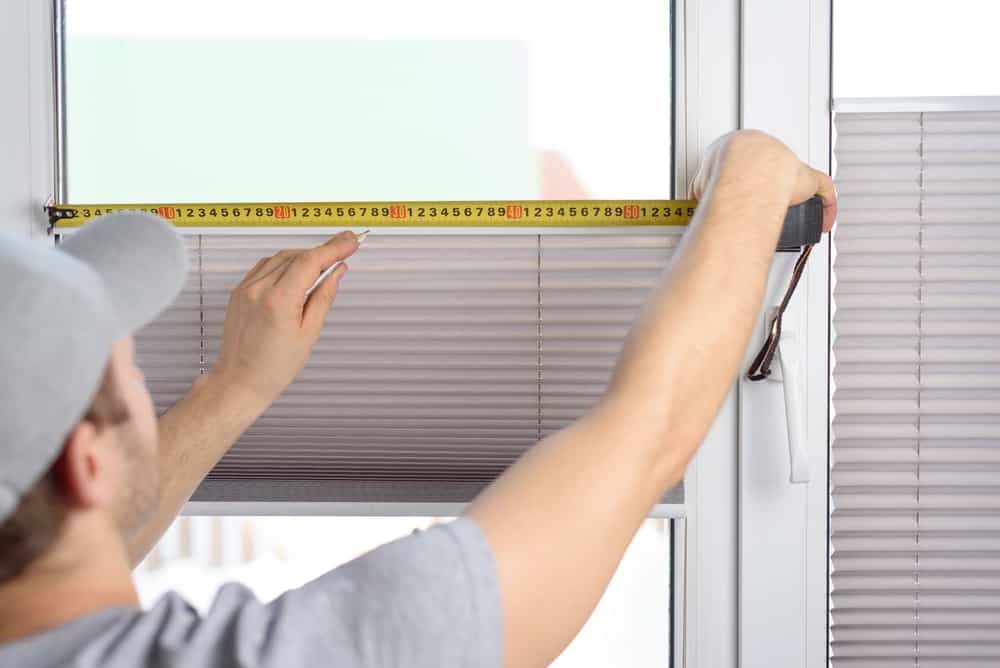
From there, Sal takes precise measurements on-site. This is the step that most DIY orders and box-store purchases skip or rush, and it is the step where most custom blind failures originate. A window that is not perfectly square — common in Castle Hayne’s older farmhouses and ranch-style homes — needs to be measured to account for that. A floor-to-ceiling window in a newer build near I-140 has different clearance requirements than a standard double-hung. Sal accounts for all of it before anything is ordered.
Once your custom blinds are fabricated and delivered, Sal handles the full installation. In New Hanover County, standard blind installation in an existing home does not require a building permit, so there is no waiting on county approvals for a typical residential job. From your first call to finished windows, the process is straightforward — and you deal with one person throughout.

Ready to get started?
Not every room in your home has the same needs, and a single product recommendation does not work across a whole house. A ground-floor room near the river needs a moisture-resistant faux wood or aluminum horizontal blind. A south-facing living room with afternoon sun exposure needs a quality light-filtering blind or cellular shade that cuts heat gain without killing the natural light. A bedroom needs something that gives you real privacy without making the room feel like a cave.
As a registered Graber dealer, we carry manufacturer-backed, warrantied products — not generic imports or builder-grade basics. That matters in a market like Castle Hayne, where new construction homes in communities like Preservation Point and Bridgewater Bluffs represent significant investments. The window treatments going into a $400,000 or $600,000 home should be specified to the same standard as the rest of the build. We offer custom window blinds, cellular shades, roller shades, shutters, and draperies — each selected for your specific rooms and conditions, not pulled from a catalog and shipped to your door.
If you have just moved into a new construction home in Castle Hayne and every window is bare, Sal can walk the entire house with you and build out a complete room-by-room plan. That is one of the most common requests in this area right now, given how much new building is underway.

For most rooms in Castle Hayne, yes — and the reason comes down to what this area’s climate does to natural wood over time. With roughly 58 inches of annual rainfall and summer humidity that regularly sits between 65% and 85%, real wood blinds are under constant stress. They absorb moisture from the air, which causes them to swell, warp, and eventually crack or refuse to operate correctly. That process is not dramatic or sudden — it happens gradually over a season or two, and by the time you notice it, the blind is already compromised.
Faux wood blinds are engineered from composite or PVC materials that do not absorb moisture. They hold their shape, their finish, and their function in exactly the conditions Castle Hayne delivers year after year. They look nearly identical to real wood in most installations, and they cost less to replace if something does happen. For rooms on the ground floor, rooms facing the river, or any space in your home that sees regular humidity swings, faux wood is the more practical choice — not a compromise.
The honest answer is that it depends on your window count, the product type, and the rooms involved — but a useful reference point is that a single custom blind for a standard window typically starts in the $100 to $200 range, with whole-home projects for a mid-size Castle Hayne ranch home often landing between $800 and $2,500 depending on product selection and window count. Specialty shapes, motorized options, or premium cellular shades will move that number higher.
What is worth knowing is that national franchise companies carry significant overhead — franchise fees, regional management layers, commissioned sales consultants — and that overhead shows up in your quote. One customer in Castle Hayne documented being quoted over $900 by an out-of-town company for a single skylight shade. We quoted the same job for just over $300. That gap is not unusual when you compare a locally operated specialist to a national brand with layers of cost built in. The free in-home consultation gives you a clear, itemized quote before you commit to anything.
If your home is oriented toward the Northeast Cape Fear River — in Bridgewater Bluffs, Preservation Point, or along the river corridor in Castle Hayne — the challenge is managing afternoon glare and UV exposure without losing the view you paid for. A solid blackout blind solves the light problem but defeats the purpose of having a river-facing window in the first place. The right answer is usually a light-filtering blind or a sheer shading option that diffuses direct sun while keeping the view line open.
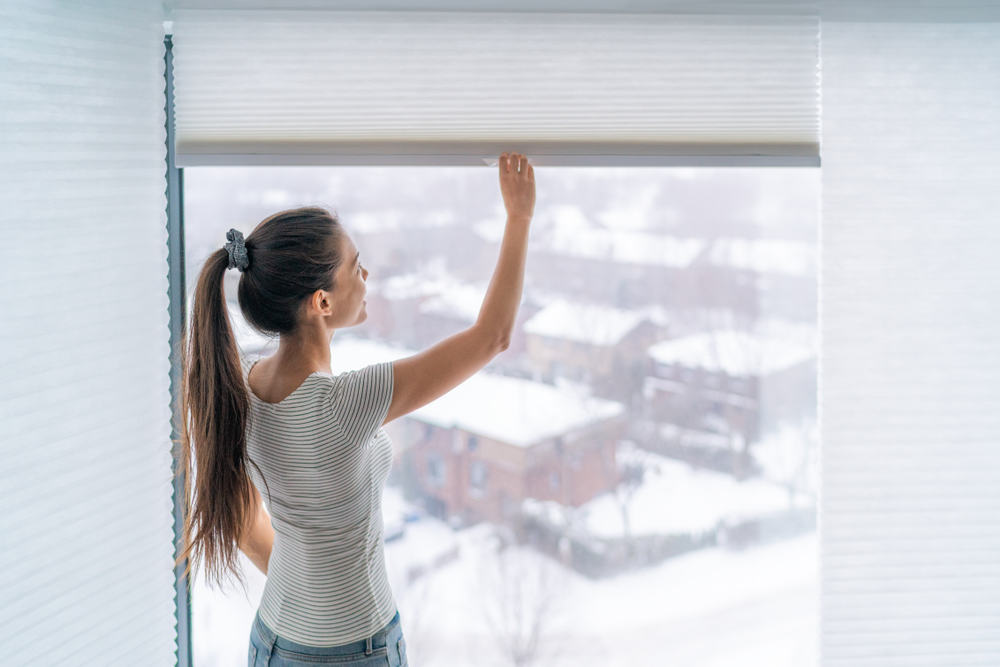
Light-filtering blinds reduce the intensity of direct sunlight without blocking it entirely, which means you get the natural connection to the outdoors while cutting the glare that makes a room uncomfortable in the afternoon. They also provide meaningful UV protection — important for hardwood floors and furniture that face direct sun exposure through large windows. Cellular shades with a light-filtering fabric are another strong option for river-facing rooms, adding insulation value on top of the light management. Sal brings samples to your home so you can hold them up against your actual view before committing to anything.
Yes, and this is worth understanding if you are buying window treatments for any home where children or pets are present. The U.S. Consumer Product Safety Commission’s updated cordless safety standards took effect on June 1, 2024. Under these rules, most new window coverings sold in the United States are now required to be cordless or to have cords that are inaccessible — meaning they cannot form a loop that poses a strangulation hazard.
For Castle Hayne homeowners, this is particularly relevant in two situations. First, if you are moving into a new construction home and selecting window treatments for the first time, all new product we install should already be compliant — and our Graber product line meets those standards. Second, if you are replacing older blinds that have dangling cords, this is a natural point to upgrade to cordless or motorized options. Cordless blinds operate just as smoothly as corded ones for most window sizes, and motorized options are increasingly accessible for larger or harder-to-reach windows without requiring a full smart-home setup.
From consultation to installation, the typical timeline runs two to four weeks for most custom blind orders. The consultation itself takes anywhere from 45 minutes to a couple of hours depending on how many windows are involved and how many product decisions you want to work through. After that, your order goes into fabrication — custom blinds are made to your exact measurements, not pulled from inventory — and lead times vary by product line and current demand.
For Castle Hayne homeowners in new construction communities, timing the consultation to coincide with your move-in date is worth thinking about. If you are closing on a home in Preservation Point or one of the newer developments off Castle Hayne Road, scheduling the consultation a few weeks before move-in means your blinds can be ready to install shortly after you take possession — rather than living with bare windows for a month while you wait. Sal can walk through the timing with you during the consultation and give you a realistic delivery window based on what you are ordering.
They can make a measurable difference, especially in a home with a large window footprint and significant south or west exposure. The U.S. Department of Energy estimates that roughly 30% of a home’s heating and cooling energy escapes through windows. In Castle Hayne’s climate — long, hot summers with intense afternoon sun and humidity that keeps indoor temperatures climbing — uninsulated windows are a consistent source of energy loss. Quality cellular shades provide R-2 to R-4 insulation values and can reduce heat gain through windows by 40% or more, which translates directly to lower cooling costs through the summer months.
For Castle Hayne’s older ranch-style homes and farmhouses, many of which have larger window openings and may still have single-pane glass, the energy case for quality window treatments is even stronger. The investment in properly specified cellular shades or insulating blinds does not just improve comfort — it pays back over time through reduced utility costs. Sal can recommend the right product specification based on your home’s orientation, your window types, and which rooms are driving the most heat gain. That recommendation comes from knowing this area’s climate, not from a generic product pitch.
Other Services we provide in Castle Hayne