







Hear from Our Customers

Bolivia’s summer sun doesn’t ease up. With a heat index that regularly hits 100°F in July and a UV index that peaks at 7 through the summer months, south- and west-facing rooms in your home take a beating. Furniture fades, floors discolor, and rooms that should feel comfortable turn into the hottest spots in the house. The right custom window shade doesn’t just look good — it actively reduces solar heat gain, cuts glare, and protects the things inside your home that cost real money to replace.
Humidity is the other factor most people don’t think about until they’ve already made the wrong purchase. Bolivia’s relative humidity averages around 77% during peak months, and that matters when it comes to material selection. Solid wood blinds can warp and swell in conditions like these. A knowledgeable installer who understands what this specific climate does to different materials will steer you toward options that hold up — not just on installation day, but five and ten years from now.
If you’ve recently moved into a new home in Rolling Hills, Winding River Plantation, or any of the other communities growing fast in the 28422 area, you already know what bare windows feel like in a Brunswick County summer. Custom window shades give you back control of your light, your privacy, and your comfort — all at once.
We’re an owner-operated business serving Bolivia and the surrounding coastal North Carolina region. Sal handles every project personally — the consultation, the measurements, and the installation. There are no subcontractors, no rotating crews, and no gap between who sold you the job and who shows up to do it. That kind of accountability is rare, and it’s exactly why customers across Bolivia and the area keep calling back and sending their neighbors.
Brunswick County is one of the fastest-growing counties in the country, and the Bolivia area is right in the middle of that growth. From the retirement homes in Winding River Plantation to the new construction going up in communities off US-17, Sal has worked in these homes and understands what they need. We’re authorized by Graber — a professional-grade manufacturer with a full line of cellular, roller, solar, Roman, and motorized shades — bringing options that most local competitors simply don’t carry.
The reviews across HomeAdvisor, Angi, Thumbtack, and Google consistently say the same things: fair pricing, clean installation, and a person who actually answers the phone. That’s the standard every job is held to.

It starts with a home visit. Sal comes to you, measures every window you want covered, and walks you through the options that actually make sense for your home — not just the most popular items in a catalog. If you’re dealing with intense afternoon sun in a great room, a humidity-prone bathroom, or a bedroom that needs real blackout coverage, that conversation shapes what gets recommended. By the time the visit is over, you have a quote in hand. No waiting on a callback, no follow-up email three days later.
Once you approve the order, your custom window shades go into production. The typical turnaround is around 10 days — which means you’re not spending an entire Brunswick County summer with bare windows waiting on a six-week backorder. When the shades are ready, Sal comes back to install them. Every shade, every window, personally handled.
Interior window shade installation in North Carolina doesn’t require a building permit, so there’s nothing on your end to file or coordinate. The whole process is designed to be straightforward: one consultation, one installer, one finished result. For new construction buyers in communities like Mariners Reach or Hall’s Landing who need treatments across an entire home at once, that simplicity is worth a lot.

Ready to get started?
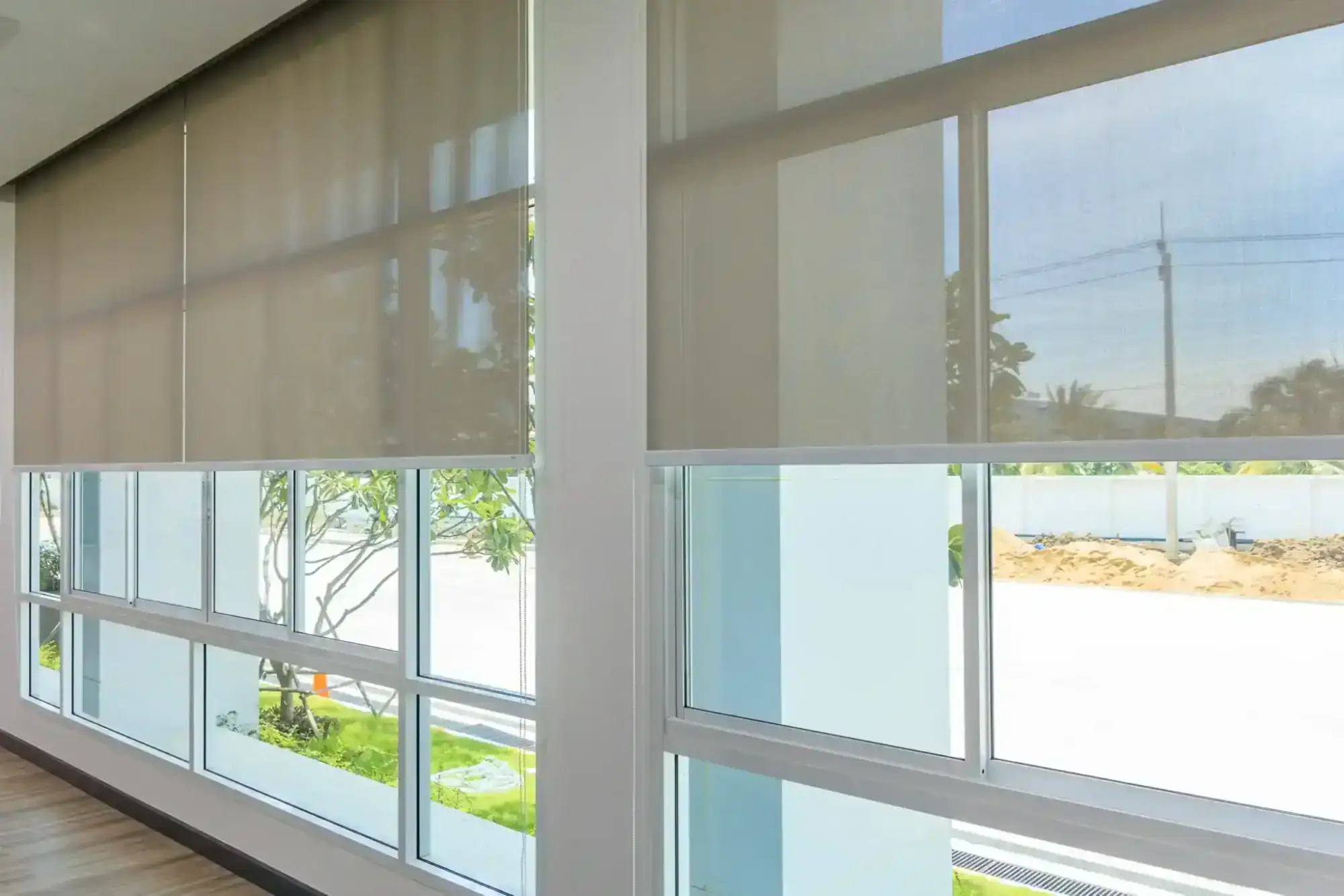
Not every window needs the same treatment, and Bolivia’s climate makes that especially true. Solar shades are a strong choice for living rooms and great rooms with significant sun exposure — they reduce heat gain and UV damage while keeping your view intact. Light filtering shades soften the light without blocking it entirely, which works well in spaces where you want brightness without glare. Blackout shades are the right call for bedrooms, especially in homes where morning light comes in early and disrupts sleep. And for high-humidity rooms like bathrooms or laundry areas, faux wood and cellular options hold up far better over time than real wood alternatives.
We carry the full Graber line, which means you’re not limited to whatever a single brand happens to stock. Cellular shades, roller shades, Roman shades, woven wood, motorized options — it’s all available, and the recommendation you get is based on your specific rooms and conditions, not a sales quota. For homeowners in Winding River Plantation investing in a permanent home, or new construction buyers furnishing every window at once in a D.R. Horton or Chesapeake Homes build, having that range of options under one roof makes the whole project easier to manage.
Every shade is custom-fabricated to the exact measurements of your windows. That matters in new construction especially, where non-standard window sizes are common and off-the-shelf products leave light gaps or require forced fitting that looks wrong from day one.

Bolivia’s climate puts real demands on window treatments. You’re dealing with a heat index that regularly exceeds 100°F in summer, humidity that peaks around 77%, and UV levels high enough to fade flooring and furniture over time. That combination narrows down the field pretty quickly when it comes to material selection.
For rooms with heavy sun exposure — south- or west-facing living rooms, great rooms with large windows — solar shades are the most practical choice. They block UV rays and reduce heat gain without making the room feel closed off. For bedrooms, blackout shades give you real light control and help maintain a cooler, darker sleeping environment during long summer days. In bathrooms or any room with elevated moisture, faux wood and cellular shades outperform real wood, which can warp and swell in high-humidity conditions. The goal is always to match the product to the room and the climate — not just pick something that looks good in a showroom photo.
From the initial consultation to finished installation, the typical timeline with us runs about 10 days. That includes the in-home measurement visit, the custom fabrication of your shades, and the installation appointment — all handled by the same person.
That turnaround matters more than it might sound. Many window treatment companies in the Brunswick County area quote four to six weeks on custom orders, which means you’re going through the bulk of a coastal Carolina summer with bare windows. Ten days is a meaningful difference, especially if you’ve just moved into a new home in one of the communities growing fast in the 28422 ZIP code and need treatments across the whole house before you’re fully settled. The process is designed to move efficiently without cutting corners — custom fabrication takes the time it takes, but nothing in the scheduling or coordination adds unnecessary delay.
The honest answer is: it depends on what you’re trying to solve. If you need a single window covered temporarily, a store-bought option might do the job. But if you’re furnishing a home you plan to stay in — which describes most buyers moving into Winding River Plantation, Goose Marsh, or the newer communities along the US-17 corridor — the difference becomes clear pretty fast.
Custom window shades are fabricated to the exact dimensions of your windows. That means no light gaps on the sides, no awkward fit, and smooth daily operation that off-the-shelf products in standard sizes can’t reliably deliver. Custom shades also use higher-quality materials and hardware, which translates to a lifespan of 10 to 15 years versus the 3 to 5 years you typically get from big-box alternatives. In a climate that runs high heat and high humidity for a good chunk of the year, that durability gap is even more pronounced. When you factor in replacement costs over time, custom is usually the more economical choice in the long run.
Yes — and new construction is actually one of the most common scenarios. Communities like Rolling Hills, Mariners Reach, Hall’s Landing, and the ongoing buildout of Winding River Plantation are delivering new homes regularly in the 28422 area, and most of them come with bare windows. Builders like D.R. Horton, H&H Homes, and Chesapeake Homes don’t include window treatments as a standard finish, so new homeowners are typically starting from zero.
The process works the same way regardless of whether the home is new or established. Sal comes out, measures every window, walks you through the options, and gives you a quote before leaving. New construction projects often involve non-standard window sizes — a 35.5-inch opening doesn’t fit a standard 35 or 36-inch off-the-shelf shade cleanly — which is another reason custom fabrication makes more sense here than trying to adapt store-bought products. Whole-home projects are handled as a single coordinated installation, so you’re not scheduling multiple visits or managing different installers for different rooms.
Motorized shades are worth considering in a few specific situations, and several of them come up regularly in Bolivia-area homes. If you have high windows — common in vaulted great rooms and two-story foyer designs in newer construction — motorized shades let you adjust light and privacy without needing a ladder or a long pull cord. For homeowners in Winding River Plantation or similar communities who are thinking long-term about ease of use and aging in place, motorization removes a daily physical task that becomes more relevant over time.
From a practical standpoint, motorized shades in the Graber line are available across multiple product types — roller, cellular, and others — and can be operated by remote, app, or integrated into a smart home system if you have one. They’re not the right call for every window or every budget, but for the right rooms and the right homeowner, they add real daily convenience. During the consultation, Sal can walk you through which windows would benefit most and what the cost difference looks like compared to manual options, so you can make a straightforward decision without pressure.
Custom window shade pricing varies based on the product type, the number of windows, and whether you’re adding features like motorization. As a general range, individual custom shades typically run anywhere from $150 to $400 per window depending on the material and style — cellular shades, solar shades, and Roman shades each sit at different price points. A whole-home project covering 15 to 20 windows in a new construction home in the Bolivia area would commonly fall somewhere between $2,500 and $6,000 installed, though that range shifts based on your specific selections.
What helps with us is that you get the exact number before you commit to anything. Sal provides an on-the-spot quote during the in-home consultation — not a ballpark range to follow up on later, but an actual figure based on your real windows and your real choices. Multiple customers have noted in independent reviews that the pricing came in lower than other estimates they received, which is worth knowing if you’re comparing providers. There’s no pressure to decide on the spot, but you’ll leave the first visit knowing exactly what your custom window shades in Bolivia, NC will cost.