






Hear from Our Customers

On a barrier island with ocean on one side and the Intracoastal Waterway on the other, the light inside your Holden Beach home is unlike anything you’d experience inland. It comes in strong, it reflects off the water from multiple directions, and it doesn’t let up across the island’s 218-plus sunny days a year. Without the right window treatment, that light fades hardwood floors, bleaches furniture, and slowly degrades the interior of a home you’ve invested serious money into.
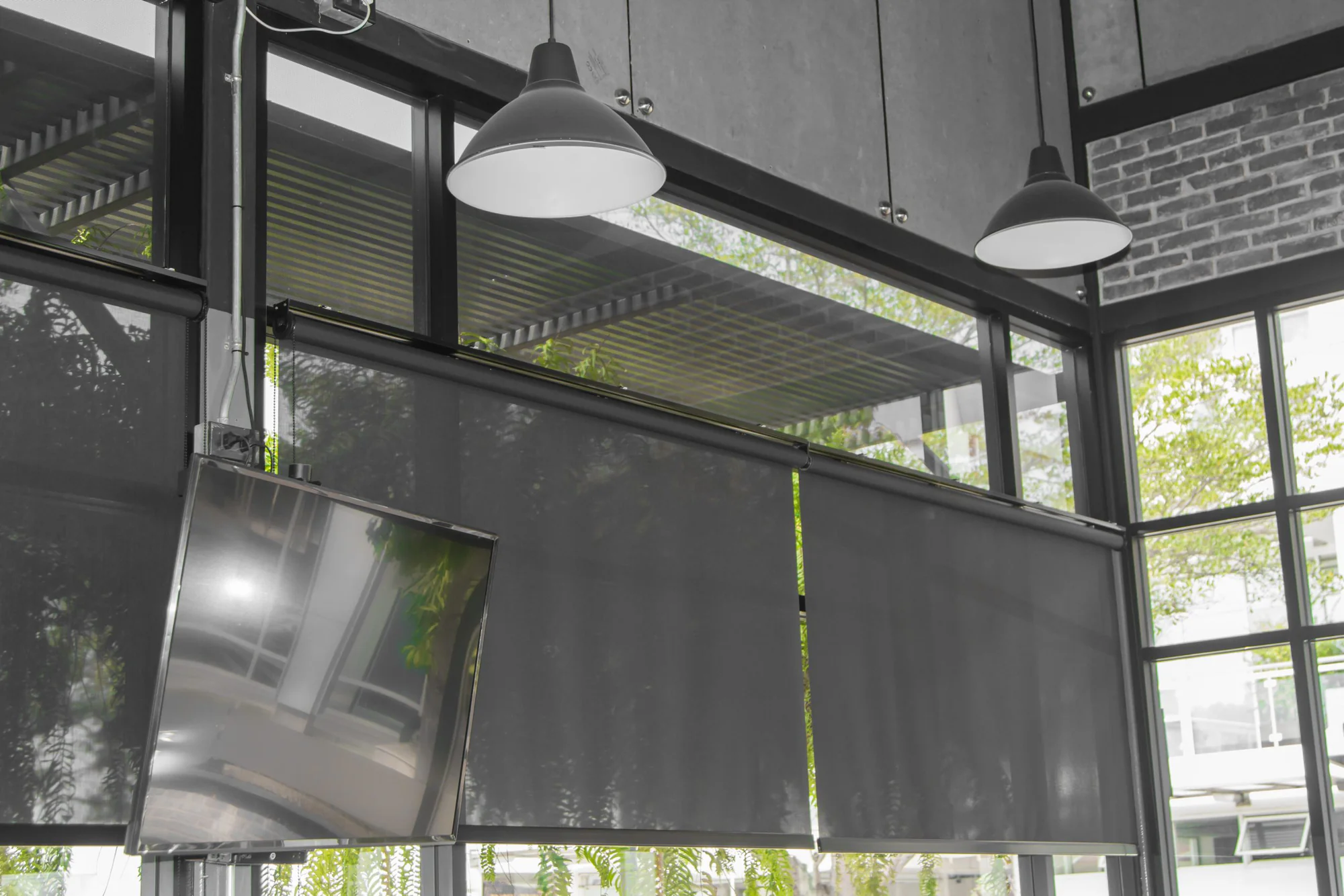
Solar fabric roller shades cut 90 to 99 percent of UV rays and can reduce solar heat gain by up to 60 percent — without turning your living room dark or blocking the Atlantic view you wake up to every morning. The right openness percentage makes all the difference between a shade that protects and one that suffocates, and that’s a decision that requires more than a catalog and a guess.
Humidity on Holden Beach peaks above 81 percent in August, and the island averages 55 inches of rain a year. That environment is hard on low-quality materials — vinyl warps, cheap fabrics mildew, uncoated hardware corrodes. Fabric roller shades specified for coastal conditions hold up through all of it. When your window treatments are chosen correctly for where you actually live, you stop replacing them every couple of years and start enjoying them instead.
We’ve been serving homeowners along the Brunswick County coast since 2017. Our shop-at-home model means a consultant comes directly to your Holden Beach home with a full library of fabric samples — you evaluate every option in your actual rooms, under your actual coastal light, before committing to anything. No showroom guessing. No ordering something that looks completely different once it’s hanging.
Pricing happens on the spot during the consultation. Our customers have called this out specifically — not because it’s a gimmick, but because it’s genuinely rare. You’ll know exactly what your custom roller shades cost before anyone leaves your home. And when you purchase, professional installation is included at no additional charge.
For a home on Holden Beach — whether it’s your full-time retirement residence, a second home, or a vacation rental you manage through one of the island’s long-standing rental companies — this is the kind of process that actually fits how you live and what you expect.

It starts with a free in-home consultation. A consultant comes to your Holden Beach home with hundreds of fabric samples — blackout fabrics, light-filtering weaves, solar mesh in multiple openness percentages — and walks through every window with you. Because Holden Beach homes are built on pilings with tall windows, high transoms, and views that face the ocean, the canal, or the ICW, the conversation around which fabric and which mount style works for each opening is specific to your home. There’s no one-size answer here.
During that visit, every window gets measured precisely. You’ll see how each fabric sample actually looks in your space — not under fluorescent showroom lighting, but in the same coastal light your windows deal with every day. Motorized options get discussed where they make sense, which on an elevated barrier island home is often more windows than people expect. Hard-to-reach transoms, high oceanfront windows, and wide sliding glass door openings are all strong candidates for motorization — especially if you’d rather not deal with cords or climbing.
Once you’ve made your selections, your custom roller shades are fabricated to the exact measurements taken in your home. Installation is scheduled at your convenience, completed by a professional, and included in the price. No subcontractors, no surprise fees at the end. For a home that’s only accessible via NC Highway 130 and the Holden Beach Bridge, we plan the visit to make the most of every trip — which means showing up prepared and getting it done right the first time.

Ready to get started?
Holden Beach isn’t a generic coastal market, and the window treatments here shouldn’t be generic either. Oceanfront and second-row homes deal with direct UV from the south and reflected glare off the water — solar roller shades with a tighter openness percentage (typically 3 to 5 percent) are the right call for those exposures. Canal homes and ICW-front properties often need a different balance — more light, less glare, with view preservation still a priority. Blackout roller shades are the right answer for east-facing bedrooms that catch the full force of a Holden Beach sunrise, and for vacation rental bedrooms where guests expect real darkness, not a suggestion of it.
Fabric roller shades are available in a wide range of textures, weaves, and coastal-appropriate colors — natural linen looks, woven textures, clean neutrals that complement the interiors common on the island without competing with the view outside. Every fabric in our sample library is evaluated in your home, not in a store.
For homes with tall windows, high transoms, or hard-to-reach openings — which describes most elevated construction on Holden Beach — motorized roller shades are worth a serious conversation. They eliminate cord mechanisms that guests can break, make daily operation effortless regardless of window height, and project the kind of finished, intentional look that supports premium rental rates and strong resale value. Standard roller shade installation requires no permits from the Town of Holden Beach Building Inspections Department for interior applications, so there’s nothing standing between your consultation and your install.

The short answer is that fabric selection matters more on a barrier island than almost anywhere else. Holden Beach sits between the Atlantic Ocean and the Intracoastal Waterway, which means salt air comes at your home from multiple directions year-round. Combined with August humidity that regularly exceeds 81 percent and annual rainfall of around 55 inches, the environment is genuinely hard on materials that weren’t chosen with it in mind.
The fabrics that hold up best in this environment are moisture-resistant, UV-stabilized, and specifically rated for coastal conditions. Solar mesh fabrics — the kind used in roller shades designed to cut glare and block UV while preserving a view — are typically made from coated polyester or fiberglass that resists mold, mildew, and the degradation that salt air causes in lower-quality synthetics. The hardware matters just as much as the fabric: corrosion-resistant brackets and mechanisms are non-negotiable for any home on Holden Beach. During your in-home consultation, every fabric recommendation takes your specific window orientation, exposure level, and how the home is used into account — so you’re not guessing which material is right for your situation.
This is one of the most common concerns Holden Beach homeowners bring up, and it’s a fair one. The view is a significant part of what makes the property valuable — median home sale prices on the island run around $1.1 to $1.25 million — and no one wants to cover it up with a window treatment that defeats the purpose of being there.
Solar roller shades are specifically engineered to manage glare and UV without blocking your sightline. The key variable is openness percentage, which refers to how tightly the fabric is woven. A 3 percent openness fabric cuts more light and UV but slightly reduces outward visibility. A 10 percent openness fabric preserves a clearer view while still blocking a meaningful amount of solar heat gain and UV. For most oceanfront and water-facing rooms on Holden Beach, somewhere in the 3 to 5 percent range tends to strike the right balance — enough protection to matter, enough transparency to keep the view alive. That’s not a decision you should make from a product description online. Seeing the fabric in your actual room, against your actual view, is the only way to know for certain — which is exactly what our in-home consultation is designed to do.
For most Holden Beach homes, yes — and the reasons are more practical than they might seem at first. Elevated coastal construction on the island means windows are often tall, transoms sit high above sliding glass doors, and certain openings are simply difficult to reach from the floor. Motorized roller shades remove that problem entirely. You control every shade in the home from a remote, a smartphone app, or a voice command — no cords, no reaching, no ladder.
For homeowners who are in or approaching retirement — and with a median age of 64.4 years, that describes most of Holden Beach’s year-round population — that’s not a luxury feature, it’s a daily-use improvement that makes the home work better. For vacation rental owners, motorization eliminates the cord mechanisms that guests tend to break, makes operation intuitive for anyone staying in the home, and gives the property a finished, high-end look that holds up in listing photos and supports premium nightly rates. The upfront cost is higher than a manual shade, but for a home at this price point, the durability and ease of use tend to make the investment straightforward.
The distinction matters more on Holden Beach than in most places, because the light here is genuinely intense. The island averages over 218 sunny days a year, and for east-facing oceanfront homes, the sun rises directly over the water and hits bedroom windows at full strength from early morning. Blackout roller shades use a fabric with zero light transmission — when properly installed with an outside mount that eliminates side gaps, they deliver real darkness. That’s the right choice for bedrooms, whether you’re a permanent resident who values a good night’s sleep or a vacation rental owner whose guests expect the same.
Light-filtering roller shades are different — they soften and diffuse incoming light rather than eliminating it. They reduce glare and cut UV, but the room stays bright and the view remains visible. These are typically the better fit for living areas, dining rooms, and spaces where you want the coastal atmosphere without the harsh glare that comes off the water. In practice, most Holden Beach homes end up with a combination of both — blackout in the bedrooms, light-filtering or solar mesh in the main living areas — and the in-home consultation is where you figure out exactly which fabric belongs on which window.
The consultation itself typically takes an hour or two depending on how many windows you’re covering and how many decisions need to be made. Because our consultant arrives with a full sample library and provides pricing on the spot, you leave the consultation with a clear picture of exactly what you’re getting and what it costs — no waiting on a quote to come back days later.
After you place your order, custom roller shades are fabricated to the precise measurements taken in your home. Lead times vary depending on fabric selection and current production schedules, but your consultant will give you a realistic timeline during the visit. Installation is then scheduled at your convenience. Because Holden Beach is only accessible via NC Highway 130 and the Holden Beach Bridge, the installation visit is planned to be complete and efficient — everything needed arrives in one trip, and the job gets done without requiring multiple visits back across the causeway. For homeowners preparing a vacation rental for peak season or completing a renovation before moving in full-time, it’s worth scheduling the consultation early to make sure your timeline works.
For standard interior roller shade installation — which covers the vast majority of what homeowners on Holden Beach are looking for — no permit is required. The Town of Holden Beach Building Inspections Department handles permitting for structural modifications and exterior work, but interior window treatments don’t fall into that category. You can move from consultation to installation without any permit process getting in the way.
The one scenario where you’d want to check with the Building Inspections Department directly is if you’re considering exterior roller shades or any modification to the window opening itself — that’s a different scope of work. For vacation rental properties on the island, there are also no special permitting requirements for interior upgrades under North Carolina state law, which explicitly prohibits local governments from requiring property owners to register or obtain special permits solely for short-term rental use. So whether your Holden Beach home is your primary residence, a second home, or a rental managed through one of the island’s long-established companies, there’s nothing regulatory standing between you and getting your window treatments installed.
Other Services we provide in Holden Beach