
Summary:
Window Treatments as Design Focal Points
Think of window treatments as the jewelry of your room. Just like the right necklace can elevate a simple outfit, the right shades or Shutters can transform an ordinary space into something special.
Windows naturally draw the eye because they’re sources of light and views to the outside. When you dress them thoughtfully, they become intentional focal points that anchor your room’s design. Bold patterns make a statement, while subtle textures add depth without overwhelming the space.
The key is understanding that your windows are already getting attention—the question is whether they’re enhancing your room or detracting from it.
Creating Visual Height and Space
One of the most dramatic ways window treatments affect room design is through their ability to manipulate how we perceive space. The right installation can make your ceilings look taller and your rooms feel more spacious.
Hanging your treatments higher than the actual window frame—ideally 12 inches above or all the way to the ceiling—creates the illusion of height. Your eye follows the vertical lines upward, making the room feel more expansive. Extending the rod 3 to 6 inches beyond each side of the window makes the window appear larger and allows more natural light when the treatments are open.
This technique works especially well in coastal homes where you want to maximize those beautiful views while creating an airy, open feeling. The effect is subtle but powerful—guests notice that something feels right about the proportions without necessarily knowing why.
Color choice amplifies this effect. Light, neutral tones reflect more light and make spaces feel larger, while darker colors can make a room feel more intimate and cozy. In Pender County’s bright coastal environment, many homeowners find that lighter treatments help balance the abundant natural light while maintaining that spacious feeling.
The fabric weight matters too. Lighter fabrics like linen or cotton create movement and softness that adds to the airy feeling, while heavier materials like velvet or thick drapes can make a space feel more formal and enclosed.
Light Control and Mood Enhancement
Natural light sets the mood in any room, and window treatments give you complete control over that atmosphere. But it’s not just about blocking light—it’s about shaping it to create the exact feeling you want.
Sheer treatments filter harsh sunlight into soft, diffused light that makes everything look more flattering. This works beautifully in living rooms and dining areas where you want brightness without glare. Layering sheers with heavier treatments gives you flexibility throughout the day—bright and airy when you want it, private and cozy when you need it.
For bedrooms, blackout treatments ensure restful sleep, while cellular shades provide insulation that keeps rooms comfortable year-round. In coastal areas like Pender County, this energy efficiency becomes even more important as treatments help regulate temperature against humid summers and cooler winters.
The direction your windows face affects how treatments impact your room’s mood. South-facing windows get intense light that may need filtering, while north-facing windows might benefit from treatments that maximize whatever light comes through. East and west-facing windows deal with dramatic morning or evening sun that can be beautiful when controlled properly.
Consider how the light changes throughout the day in your space. Treatments that work for morning coffee might create too much glare for afternoon reading. The best window treatment solutions adapt to these changing conditions while maintaining your room’s aesthetic appeal.
Texture, Pattern, and Color Integration
Window treatments are often the largest fabric element in a room, which means they have outsized influence on your overall design scheme. They can introduce new textures, reinforce existing patterns, or provide a neutral backdrop that lets other elements shine.
Natural materials like bamboo, wood, or linen bring organic texture that works especially well in coastal settings. These materials add warmth and authenticity while standing up to humidity and salt air. The subtle variations in natural fibers create visual interest without competing with your other design elements.
Pattern and color choices can either make your treatments the star of the show or help them blend seamlessly into your design. Bold geometric patterns or vibrant colors create drama and energy, while soft neutrals provide a calming backdrop that makes your room feel larger and more serene.
Coordinating with Existing Décor
The most successful window treatments feel like they were always meant to be part of your room’s design. This happens when you consider how they’ll interact with your existing furniture, wall colors, and decorative elements.
If your room already has strong patterns in rugs or upholstery, solid-colored treatments often work best to avoid visual chaos. Conversely, if your space feels too neutral or bland, patterned window treatments can add the personality and interest you’re looking for.
Color coordination doesn’t mean everything has to match exactly. In fact, treatments that pick up accent colors from artwork or throw pillows often look more sophisticated than those that try to match the wall color perfectly. The goal is creating a cohesive color story throughout the room.
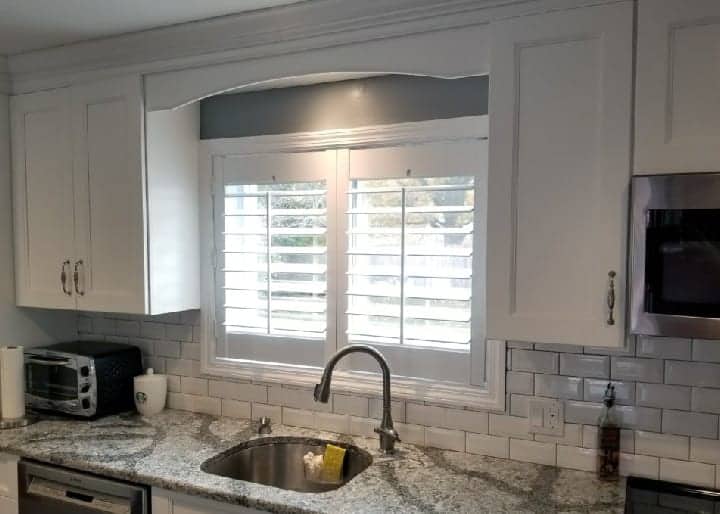
Texture plays a crucial role in this coordination. Smooth roller shades complement modern, minimalist furniture, while textured woven shades work beautifully with casual or rustic pieces. Plantation shutters add architectural detail that enhances both traditional and contemporary styles.
Consider the formality level of your room when choosing treatments. Casual family rooms can handle relaxed, natural materials, while formal dining rooms might call for more structured treatments like tailored drapes or custom shutters. The window treatments should feel appropriate for how the room is used and decorated.
Seasonal and Long-term Design Flexibility
Smart window treatment choices adapt to changing seasons and evolving design preferences. This flexibility becomes especially valuable in areas like Pender County, where coastal weather patterns affect how you use your spaces throughout the year.
Layered treatments offer the ultimate flexibility. Combining sheer panels with heavier drapes or pairing blinds with curtains lets you adjust for different seasons, times of day, or activities. Light filtering during summer parties, complete privacy for movie nights, or maximum natural light for winter days—all from the same window treatment system.
Neutral base treatments with changeable accents give you design flexibility without major renovation. Classic shutters or quality blinds in neutral tones work with evolving color schemes, while decorative elements like curtain panels or valances can be updated as your style changes.
Consider how your needs might evolve. A home office might need different light control than a guest bedroom. Growing families might need more privacy or child-safe options. Quality custom treatments adapt to these changing requirements better than off-the-shelf solutions.
The investment in well-made, properly installed treatments pays off in both immediate aesthetic impact and long-term satisfaction. They become part of your home’s architecture rather than just decoration, adding value while enhancing your daily living experience.
Think about maintenance and durability too. Coastal environments can be tough on window treatments, so choosing materials and construction that hold up to humidity, salt air, and frequent use ensures your design investment continues looking great for years.
Making Window Treatments Work for Your Pender County Home
Window treatments transform rooms by controlling light, adding texture, creating focal points, and tying design elements together. They’re investments in both beauty and function that affect how you experience your home every day.
The key is understanding that every room has different needs. Your coastal location brings unique considerations—humidity, salt air, changing light conditions, and the desire to showcase those beautiful views while maintaining privacy and comfort.
When you’re ready to see how the right window treatments can transform your space, we bring decades of experience helping Pender County homeowners create rooms they love. From custom shades that filter coastal light perfectly to shutters that stand up to our climate while enhancing your home’s style, the right treatments make all the difference.