
Summary:
What Makes Window Treatments Truly Eco-Friendly
Eco-friendly window treatments start with how they’re made and what happens after you install them. Sustainable window materials like bamboo, organic cotton, and hemp grow without harsh pesticides or excessive water use. Manufacturing processes matter just as much—look for products made without toxic chemicals, heavy metals, or formaldehyde-based adhesives that release harmful compounds into your home.
Durability plays a bigger role in sustainability than most people realize. A recycled fabric shade that lasts ten years beats one needing replacement every two, even if that cheaper option claims to be “green.” When products reach end of life, the question becomes whether they’re recyclable, compostable, or headed to a landfill. These factors separate genuinely sustainable options from greenwashing marketing.
Third-party certifications cut through the confusion. GREENGUARD Gold Certification tests for over 360 volatile organic compounds and 10,000 chemicals. LEED certified window coverings contribute to green building standards and can increase home value. FSC certification ensures wood comes from responsibly managed forests. These aren’t just badges—they’re verified proof that products meet rigorous environmental and health standards that matter for green home design.
Sustainable Window Materials That Work in Coastal Climates
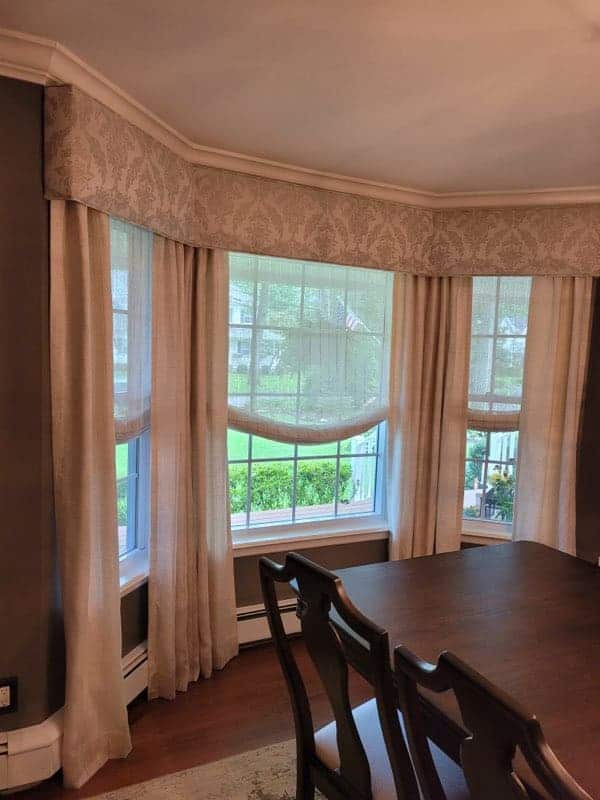
Bamboo stands out as one of the most sustainable materials available for window treatments. It grows up to 35 inches in a single day, making it highly renewable without requiring replanting. Bamboo shades are naturally durable, resistant to warping, and add organic warmth to coastal homes. The material’s natural antibacterial properties make it particularly suitable for humid environments like Brunswick County, NC and New Hanover County, NC, where moisture challenges conventional treatments.
Recycled materials represent another genuine advance in sustainable window treatments. Post-consumer recycled polyester transforms plastic bottles into performance fabrics that rival virgin materials. Recycled aluminum reduces mining impact while maintaining the strength and longevity you need for blinds. Quality matters here—poorly made recycled products that fail quickly defeat the purpose entirely, but well-manufactured recycled fabric shades last as long as traditional options while diverting waste from landfills.
Natural fibers including organic cotton, hemp, linen, jute, and wool offer biodegradable alternatives to synthetic materials. These fibers are grown without harmful pesticides and processed using environmentally responsible practices with lower emissions. In coastal North Carolina’s climate, natural fiber treatments provide excellent texture and light filtering while supporting healthier indoor air quality. They’re particularly effective when you want that relaxed, organic aesthetic that complements beachside living in Onslow County, NC and Pender County, NC.
FSC-certified wood blinds give you the look and insulation of traditional wood with verified sustainable sourcing. The Forest Stewardship Council certification ensures wood comes from responsibly managed forests. Thanks to sustained-yield forest management, nearly twice as much hardwood grows as is harvested each year. The volume of hardwood trees in North American forests is actually 90% larger today than it was 50 years ago because of these responsible practices—a fact that makes wood blinds a surprisingly sustainable choice.
Faux wood options have evolved significantly for green home design. Modern eco-friendly faux wood blinds use PVC-free materials that are 100% recyclable. Quality versions resist humidity, salt air, and UV exposure while maintaining appearance for decades. For coastal homes dealing with challenging conditions, these represent practical alternatives that don’t sacrifice performance for sustainability. They’re lighter than real wood, easier to clean, and handle moisture better than traditional wood blinds ever could.
Understanding Certifications and What They Actually Mean
GREENGUARD Gold Certification represents the gold standard for indoor air quality. Products earning this certification undergo rigorous testing for chemical emissions, ensuring they don’t release harmful volatile organic compounds into your living space. This matters especially in bedrooms, nurseries, and homes where family members have respiratory sensitivities. Many roller shades, Roman shades, cellular shades, and vertical blinds now carry this certification, giving you verified assurance rather than marketing claims.
LEED certified window coverings contribute points toward achieving LEED status in building projects. Motorized shades with automated controls can be included in energy performance modeling, earning points for optimizing natural light while reducing heating and cooling loads. Low-emitting materials contribute to indoor environmental quality credits. If you’re building or renovating in coastal North Carolina, choosing LEED-compliant window treatments increases your home’s value and environmental performance while supporting green home design principles.
OEKO-TEX Standard 100 certification, also called Confidence in Textiles, confirms fabrics are free from harmful substances. Special emissions testing ensures no highly volatile components transfer from fabric to indoor air. This certification applies to many roller shade and Roman shade fabrics, protecting your family from exposure to chemicals that conventional treatments might contain. It’s particularly important for recycled fabric shades, proving that the recycling process didn’t introduce new contaminants.
GreenAssured certification evaluates environmental criteria including ecological impacts of raw material sourcing and airborne chemical emissions. Independent laboratory testing supports the certification using internationally recognized protocols. When you select certified materials, you’re getting products originating from environmentally friendly factories using responsible production methods—not just products with green marketing language slapped on the packaging.
The practical benefit of these certifications is simple: you don’t have to trust marketing language or take manufacturers at their word. Third-party verification removes guesswork from sustainable purchasing decisions. For coastal homeowners in Brunswick County, NC, New Hanover County, NC, Onslow County, NC, and Pender County, NC investing in window treatments, certifications provide confidence that your choices deliver the environmental and health benefits you’re paying for.
Energy Efficient Blinds and Real Cost Savings
Windows account for 25 to 30 percent of heating and cooling costs in typical homes. Energy-efficient blinds and shades create an insulating barrier that reduces this energy loss significantly. This isn’t theoretical—Department of Energy research confirms that properly installed treatments can reduce heat gain by up to 77 percent in summer and heat loss by up to 50 percent in winter.
Energy-efficient window treatments work through three primary mechanisms: insulation, solar heat control, and air sealing. Insulation traps air between the treatment and window glass, slowing heat transfer. Solar heat control reflects or absorbs sunlight before it enters your home. Air sealing addresses drafts and leakage around window frames. Different treatment types accomplish these goals in different ways, which is why understanding your specific windows and sun exposure matters when selecting products.
For coastal North Carolina homeowners, the combination of intense summer sun, high humidity, and variable winter temperatures makes energy-efficient treatments particularly valuable. You’re reducing HVAC strain, lowering monthly utility bills, and making homes genuinely comfortable year-round. The environmental impact matters too—less energy consumption means a smaller carbon footprint without sacrificing comfort.
Cellular Shades Lead Energy Efficiency Performance
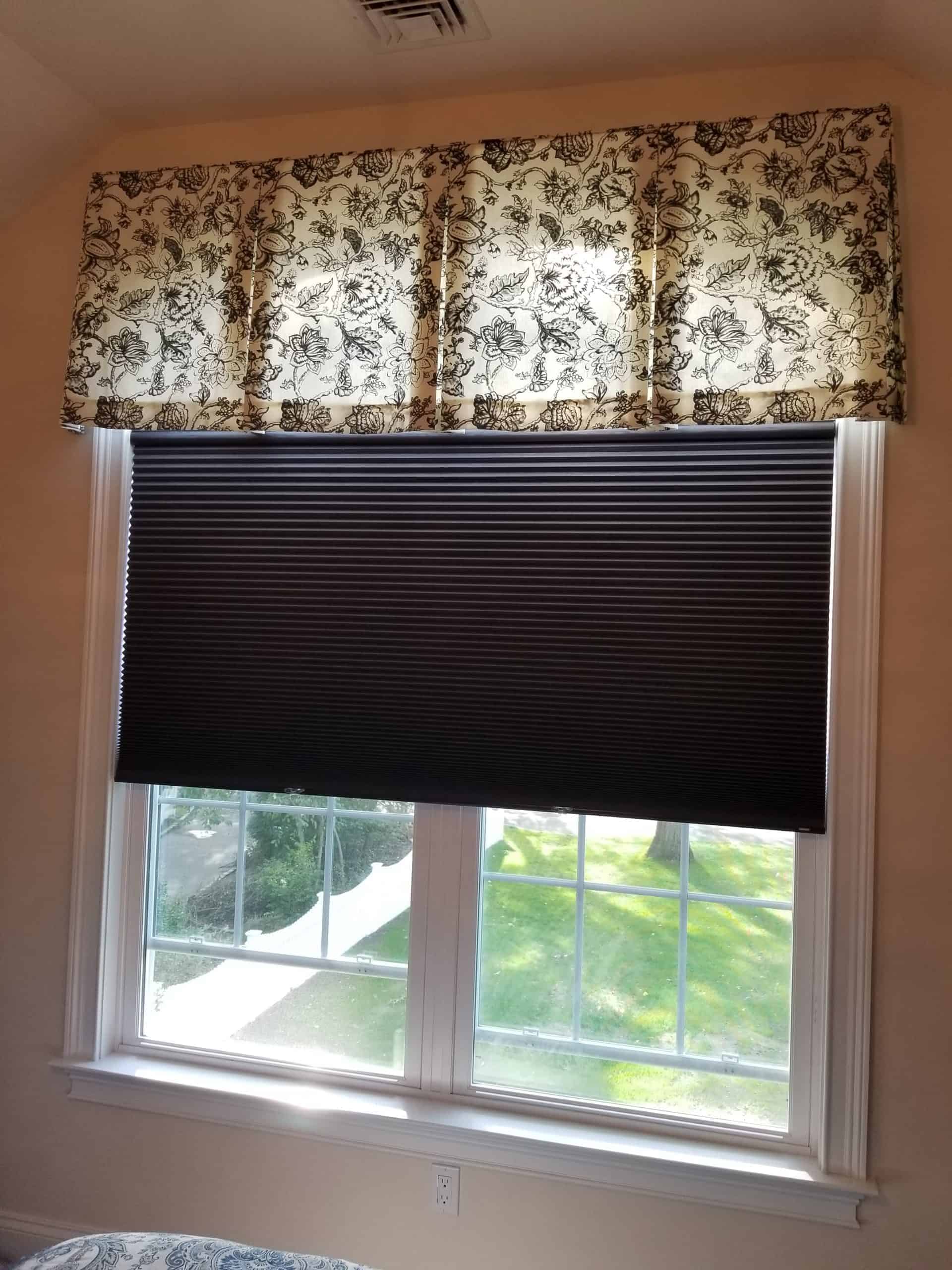
Cellular shades, also called honeycomb shades, are the single most energy-efficient window treatment available for most residential applications. Their unique honeycomb structure traps air in individual cells, creating multiple insulating pockets between your living space and the glass. This design provides outstanding insulation against both heat and cold—a feature that becomes especially valuable in coastal environments where temperature swings challenge HVAC systems.
Research shows that tightly installed cellular shades can reduce heat loss through windows by approximately 40 percent and heat gain by similar amounts. For homeowners in Wilmington and surrounding coastal areas, this translates to potential heating and cooling cost reductions of 15 to 25 percent on treated windows. Those savings accumulate month after month, making cellular shades an investment that pays back through lower utility bills rather than just an upfront expense.
Double-cell cellular shades offer even greater insulation than single-cell versions. The additional layer of air pockets provides enhanced thermal performance, particularly valuable for windows with southern or western exposure that bear the brunt of afternoon sun. Outside mount cellular shades are more energy efficient than inside mount because they block more heat and light by covering the entire window frame rather than sitting within it—a detail that matters when you’re trying to maximize performance.
Many cellular shades are made from 100 percent recyclable materials, combining energy conservation with sustainable manufacturing. You can customize them for color, size, style, and pattern to fit your decor while maintaining their insulating properties. The cells act as tiny insulators that collectively block heat transfer across window openings, keeping your home cooler in summer and warmer in winter without constantly running your HVAC system.
Modern cellular shades include cordless and motorized options that eliminate dangling cords, improving safety for homes with children and pets. Motorization adds convenience that encourages actually using your window treatments for energy efficiency rather than leaving them in one position all day. Automation platforms like Google Home and Alexa let you program shades to automatically adjust during peak sun hours, maximizing energy savings without requiring manual intervention throughout the day.
Solar Shades and Natural Materials for Coastal Protection
Solar shades use technical weaves rated by openness percentage to regulate glare, heat, and view-through. Lower openness blocks more solar energy while still admitting usable daylight for tasks. The fabrics reduce radiant heat and UV impact, making rooms cooler and protecting interior finishes from fading. They excel on large windows where you want the view but not the harshness of midday sun reflecting off water—a common scenario in Brunswick County, NC and New Hanover County, NC coastal homes.
In coastal environments, UV exposure intensifies by up to 15 percent due to sunlight reflecting off water surfaces. Solar shades address this specific challenge by blocking up to 90 percent of harmful UV rays before they penetrate your home. This protects furniture, flooring, and artwork from sun damage while reducing the thermal load that forces air conditioners to work overtime during summer months. The result is both preservation of your interior investments and lower cooling costs.
Woven wood shades showcase natural fibers in horizontal patterns that create visual interest while supporting green home design. Materials like bamboo, jute, reeds, and grasses work across various window treatment styles. The weave density determines light control, from airy and translucent options for gentle diffusion to tightly woven versions for more privacy and insulation. These natural materials are fast-growing and environmentally friendly, fitting perfectly with coastal design aesthetics popular in Onslow County, NC and Pender County, NC.
Bamboo blinds specifically offer renewable resources with impressive durability. Bamboo regenerates quickly without needing replanting and resists warping and cracking better than many synthetic alternatives. The natural look adds warmth to any room while the material’s inherent properties handle coastal humidity well. Light-colored bamboo blinds reflect solar radiation more effectively than darker options, bouncing heat away before it enters your space—a practical benefit that translates to measurable comfort improvements.
Roman shades made from organic cotton, hemp, or linen provide sustainable alternatives with elegant aesthetics. When outfitted with cotton flannel interlining, they deliver added insulation and prevent drafts. A single continuous piece of fabric acts as an ideal insulator against harmful UV rays and energy loss while creating a tailored look. These treatments work particularly well in bedrooms and living rooms where temperature regulation is crucial for comfort. They’re also among the most versatile options for achieving that layered, sophisticated look that complements both traditional and contemporary coastal interiors.
The practical advantage of combining sustainable window materials with energy-efficient design is that you’re not choosing between environmental responsibility and performance. Modern eco-friendly window treatments deliver superior results precisely because natural materials and thoughtful engineering work together. You get better insulation, longer-lasting products, healthier indoor air, and lower energy bills—all while reducing environmental impact.
Making Sustainable Choices That Perform in Coastal Homes
Eco-friendly window treatments represent more than a trend—they’re a meaningful shift toward homes that perform better while reducing environmental impact. The combination of sustainable window materials, energy-efficient blinds, and healthier indoor air quality creates tangible value that extends beyond aesthetics alone. For coastal North Carolina homeowners, these treatments address specific challenges including intense UV exposure, humidity, and salt air while delivering measurable cost savings through reduced energy consumption.
The key is working with professionals who understand both current sustainable options and coastal installation requirements. Proper measurement and installation ensure treatments fit correctly, eliminating gaps that leak energy and compromise performance. Choosing LEED certified window coverings and other verified sustainable products gives you assurance rather than marketing claims. Whether you select bamboo shades, cellular designs, recycled fabric shades, or FSC-certified wood, you’re investing in products built to last while supporting responsible manufacturing practices that align with green home design principles.
We bring expertise in sustainable window treatments specifically suited to Brunswick County, NC, New Hanover County, NC, Onslow County, NC, and Pender County, NC homes. Our combination of quality materials, professional installation, and understanding of coastal conditions ensures your eco-friendly choices deliver the performance and longevity you expect.