Summary:
What Biophilic Design Actually Means for Window Treatments
Biophilic design isn’t a decorating trend. It’s rooted in how humans are wired—we have an innate need to connect with nature and living systems. When you’re inside most of the day, that connection gets severed unless you intentionally design it back in.
For window treatments, biophilic design means three things. First, maximizing natural light to support your circadian rhythm and mood. Second, using materials that come from nature—bamboo, jute, wood, grasses—instead of synthetic alternatives. Third, creating visual and physical connections to the outdoors through views, textures, and the way light moves through your space.
The research backs this up. People in biophilic environments show reduced stress levels, better cognitive function, and improved psychological well-being. Your windows are the literal bridge between inside and outside, which makes them the most important element to get right.
Why Coastal Homes Need Biophilic Window Treatments More Than Anywhere Else
If you’re in Wilmington, Oak Island, Hampstead, or anywhere along the North Carolina coast, you’re sitting on prime real estate for biophilic living. You have the natural light. You have the views. You have the outdoor environment most people only experience on vacation.
But coastal conditions also make it harder to maintain that connection. Salt air doesn’t just affect your car—it penetrates window treatment fabrics and accelerates material breakdown. Humidity levels regularly top 70%, creating the perfect environment for mold, mildew, and warping in treatments that weren’t designed for it. Then there’s UV exposure, which gets intensified by up to 15% when sunlight reflects off water. That means your windows face nearly double the radiation of inland homes.
Standard window treatments fail fast here. Real wood blinds warp within a season. Metal hardware corrodes. Fabrics fade to nothing. You end up replacing treatments every few years, which defeats the whole purpose of investing in quality materials that connect you to nature.
This is why biophilic window treatments for coastal homes need to be both beautiful and brutally functional. You’re not just choosing something that looks natural—you’re choosing materials engineered to survive in a marine environment while still delivering on natural light optimization, organic textures, and that indoor-outdoor living feel. Faux wood often outperforms real wood here. Woven materials need to be treated for moisture resistance. Solar shades need marine-grade components.
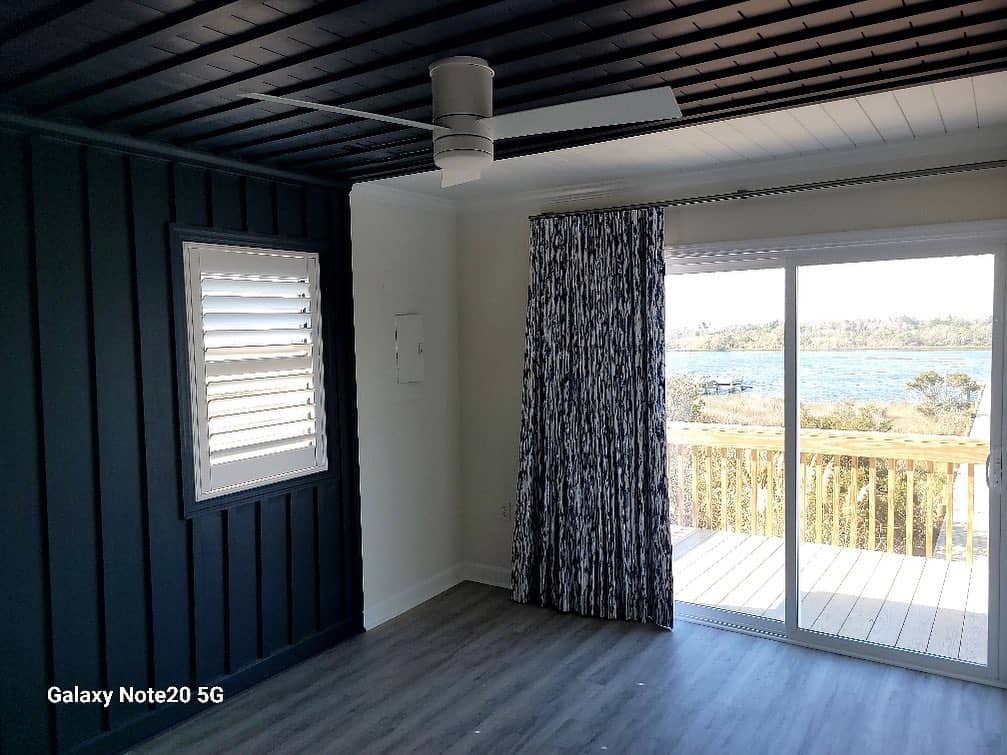
The homes that get this right don’t just look better. They feel different. You wake up with natural light filtering through bamboo shades instead of harsh morning sun. You see texture and warmth from jute and grass weaves instead of flat synthetic fabrics. You maintain clear views of the water while still protecting your furniture from UV damage. That’s what biophilic design delivers when it’s done with coastal realities in mind.
How Natural Light Optimization Changes Your Coastal Living Experience
Natural light isn’t just about brightness. It regulates your sleep-wake cycle, influences your mood, and affects how your body produces vitamin D and serotonin. When you optimize it properly through window treatments, you’re not decorating—you’re supporting your biology.
The key is control without obstruction. You want to let light in during morning hours to wake up naturally and support your circadian rhythm. You want to diffuse harsh midday sun that creates glare and drives up cooling costs. You want to maintain views without letting UV rays destroy your furniture and flooring. Most importantly, you want this to happen without turning your home into a dark cave or blocking the ocean views you’re paying for.
Light-filtering treatments handle this better than blackout or no treatment at all. Sheer drapery diffuses harsh sunlight while maintaining a soft glow in the room. Solar shades reduce glare and UV rays while preserving outdoor views—they’re like sunglasses for your windows. Woven wood shades with varying weave densities let you customize how much light filters through, creating warm, natural patterns as sunlight moves through bamboo or grass fibers.
The difference is noticeable immediately. Rooms feel brighter without feeling hot. Glare disappears from TV screens and work surfaces. You stop squinting when you look toward windows. Your furniture stops fading at an alarming rate. And you maintain that visual connection to the outdoors that makes coastal living worth it.
Layered approaches give you even more flexibility. Combining sheer panels with cellular shades lets you adjust throughout the day. Morning sheers provide gentle light diffusion when you want to wake up naturally. Afternoon cellular shades block intense reflected sunlight during peak heat hours. Evening sheers create privacy while still letting you see sunset colors. This adaptability proves essential in coastal homes where light conditions change dramatically based on weather, tides, and time of year.
Motorized systems take this further by eliminating daily wear and tear from manual operation. In coastal environments where salt air affects moving parts, automated controls aren’t just convenient—they’re practical. You can program treatments to adjust with the sun’s path, maximizing natural light in the morning and minimizing heat gain in the afternoon, all without touching cords or wands that deteriorate faster in humid, salty conditions.
The 7 Best Biophilic Window Treatments for Coastal North Carolina Homes
Not every natural-looking treatment survives coastal conditions. And not every durable treatment delivers on biophilic design principles. The seven options below do both—they bring organic textures and natural materials into your home while standing up to salt air, humidity, and UV exposure that defines life in Brunswick, New Hanover, Onslow, and Pender Counties.
These aren’t ranked because the right choice depends on your specific windows, light conditions, and how you use each room. What matters is understanding what each treatment offers and where it works best in a coastal home.
Woven Wood Shades: The Gold Standard for Biophilic Coastal Design
Woven wood shades are as close as you get to bringing raw nature directly onto your windows. They’re handwoven from bamboo, jute, reeds, grasses, and other organic fibers, creating unique textures with natural color variations throughout. No two shades look identical, which is the point—you’re working with actual natural materials, not synthetic imitations.
The organic weave creates warm, natural light patterns as sun filters through. Morning light through bamboo produces a soft glow that wakes you up gradually instead of blasting you awake. Afternoon sun through grass weaves creates gentle shadows and movement. This is natural light optimization at its best—you get brightness and warmth without harsh glare or heat buildup.
For coastal homes, moisture resistance is critical. Quality woven wood shades are treated to handle humidity without warping or developing mildew. The tight weave provides adjustable light control, and you can add liners for extra privacy or to manage sunlight more effectively. Blackout liners work for bedrooms where you need darkness. Light-filtering liners soften bright midday sun in living areas while maintaining that natural texture on the room-facing side.
The aesthetic fits perfectly with coastal interior design. Natural browns, tans, and honey tones complement the sand, driftwood, and ocean palette without trying too hard. The texture adds depth and warmth that flat synthetic shades can’t match. And because they’re made from sustainable, renewable materials, they align with the environmental values that often accompany biophilic design preferences.
Maintenance is straightforward but important. Regular dusting or vacuuming with a brush attachment prevents salt and moisture buildup. Avoid harsh chemicals—these are natural fibers that respond better to gentle care. With proper maintenance, quality woven wood shades last for years even in coastal conditions, which makes them a better investment than cheaper synthetic options you’ll replace every few seasons.
Sustainable Wood Blinds, Faux Wood Alternatives, and Other Natural Material Options
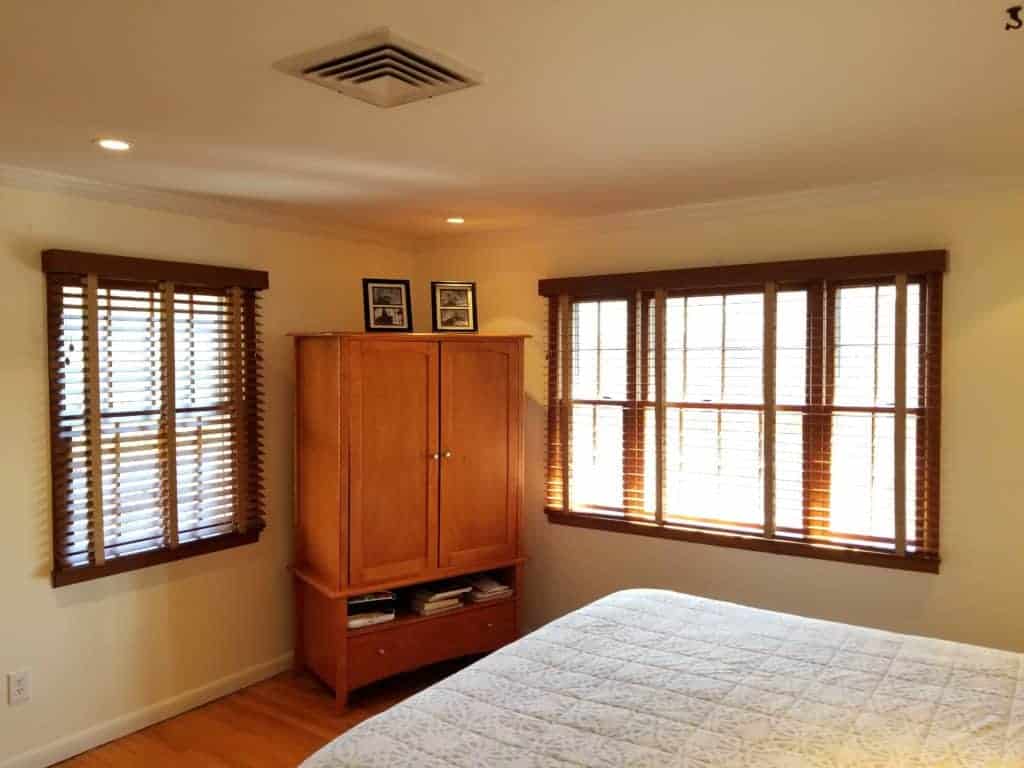
Real wood blinds offer unmatched natural beauty—rich grain patterns, warm tones, and the kind of organic texture that synthetic materials try to imitate but never quite achieve. For biophilic design purists, nothing beats genuine hardwood. The problem is durability in coastal environments. Real wood absorbs moisture from humid air, leading to warping, cracking, and finish deterioration. In Brunswick and New Hanover Counties, real wood blinds often need replacement within a few years.
Faux wood blinds solve this while maintaining the natural aesthetic. Quality faux wood uses polymer composites that resist humidity, salt air, and UV exposure while looking remarkably similar to real wood. The best options feature sealed edges and UV-resistant finishes that prevent the fading and cracking that destroys cheaper alternatives. They’re heavier than real wood, which means they require fewer lift cords and operate more smoothly over time. For coastal homes, faux wood often outperforms real wood in both longevity and maintenance requirements.
Plantation shutters in faux wood strike a balance between timeless style and coastal durability. The wide louvers give you precise light control—tilt them open for maximum natural light and views, close them for privacy and UV protection, or adjust to any position in between. The louvered design also promotes natural airflow, which matters in coastal homes where you want to capture ocean breezes without leaving windows completely exposed. Marine-grade composite and treated hardwood options are specifically engineered for seaside environments, resisting warping even in high-humidity areas.
Bamboo blinds and shades deserve special mention. Bamboo is technically a grass, not wood, which makes it naturally more flexible and moisture-resistant than traditional hardwoods. It’s also one of the most sustainable materials available—bamboo grows rapidly, requires minimal water, and regenerates without replanting. The natural color variations and organic texture bring warmth and visual interest to any space. Bamboo handles coastal humidity better than most wood species while still delivering that connection to natural materials that defines biophilic design.
Solar shades might not look “natural” at first glance, but they serve a critical biophilic function—preserving your view. These specialized screens block heat and UV rays while maintaining visibility to the outdoors. Think of them as sunglasses for your windows. They reduce glare without darkening rooms, protect furniture from fading without obstructing ocean views, and help manage cooling costs without sacrificing natural light. For large coastal windows where maintaining the view is non-negotiable, solar shades deliver better results than any other treatment. They come in varying openness levels, from 1% (maximum UV protection, slight view) to 14% (lighter filtering, clear views), so you can customize based on sun exposure and privacy needs.
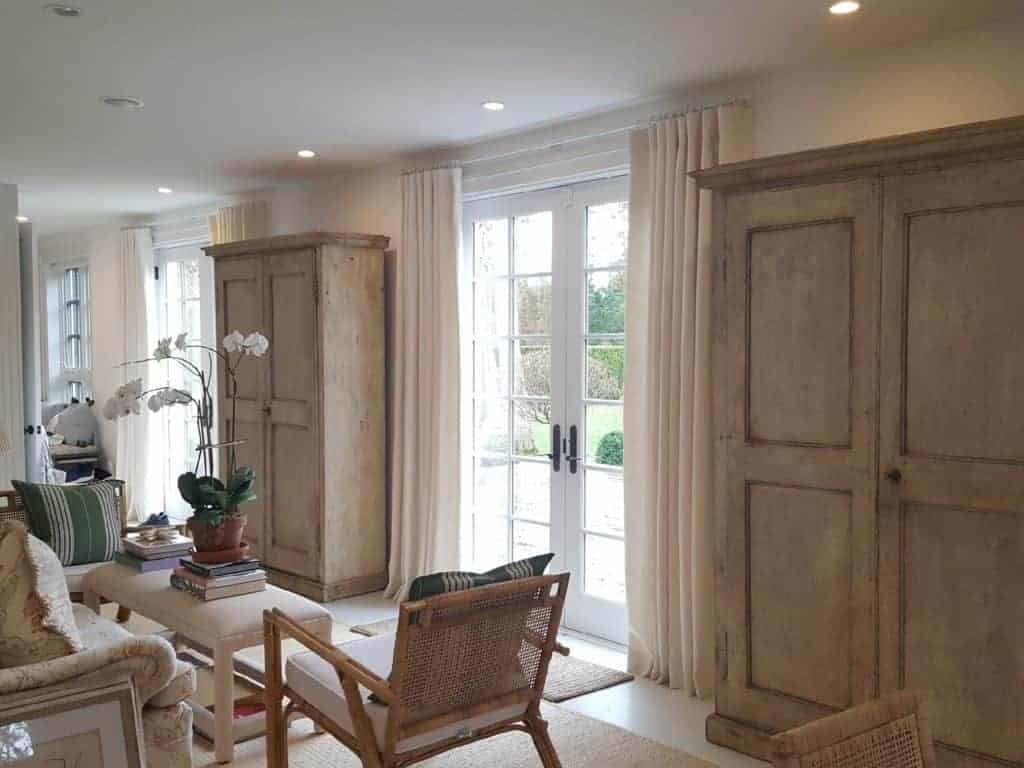
Sheer drapery and lightweight curtains complete the picture. Natural fabrics like linen and cotton in neutral coastal tones—whites, creams, sandy beiges—create that breezy, flowing aesthetic that defines coastal living. They diffuse harsh sunlight while maintaining an airy atmosphere. Layer them with other treatments for maximum flexibility: sheers during the day for gentle light filtering, cellular shades or blinds at night for privacy and insulation. The key is choosing fabrics that resist mildew in humid conditions and won’t fade quickly under intense UV exposure. Quality matters more than price here—cheap curtains deteriorate fast in coastal environments.
Bringing Biophilic Design into Your Coastal North Carolina Home
Biophilic window treatments aren’t about following a trend. They’re about designing your home to support how you actually want to live—connected to nature, surrounded by natural light, in spaces that feel calm instead of closed off. The right treatments maximize what makes coastal North Carolina special while protecting against what makes it challenging.
You don’t need every window to feature woven wood or bamboo. Start with the rooms where you spend the most time—living areas, primary bedrooms, home offices. Choose treatments that optimize natural light during the hours you’re actually in those spaces. Layer options when you need flexibility between morning brightness and afternoon heat control. And prioritize materials that will survive salt air and humidity without constant replacement.
If you’re ready to explore what works for your specific windows and coastal conditions, we can walk you through options that deliver on both biophilic design principles and coastal durability. Sometimes seeing materials in your actual light conditions makes the difference between a treatment that looks good in theory and one that transforms how your home feels every single day.