
Summary:
Why Coastal North Carolina Is Hard on Window Treatments
Living in Brunswick County, New Hanover County, Onslow County, or Pender County means dealing with environmental factors that most window treatment guides don’t address. North Carolina’s humid subtropical climate creates perfect conditions for mold, mildew, and bacteria growth. When humidity levels stay high for months, wooden blinds warp and swell.
But humidity isn’t your only enemy. Metal components aren’t safe either. Aluminum frames corrode when exposed to salt air over time. Even your most expensive custom treatments can develop problems if you don’t understand what you’re up against.
The combination of moisture and salt creates a perfect storm for damage. The combination of humidity and salt air creates perfect conditions for mildew growth. That discoloration you’re seeing isn’t just dirt—it’s often mold starting to take hold.
How Humidity Damages Different Window Treatment Materials
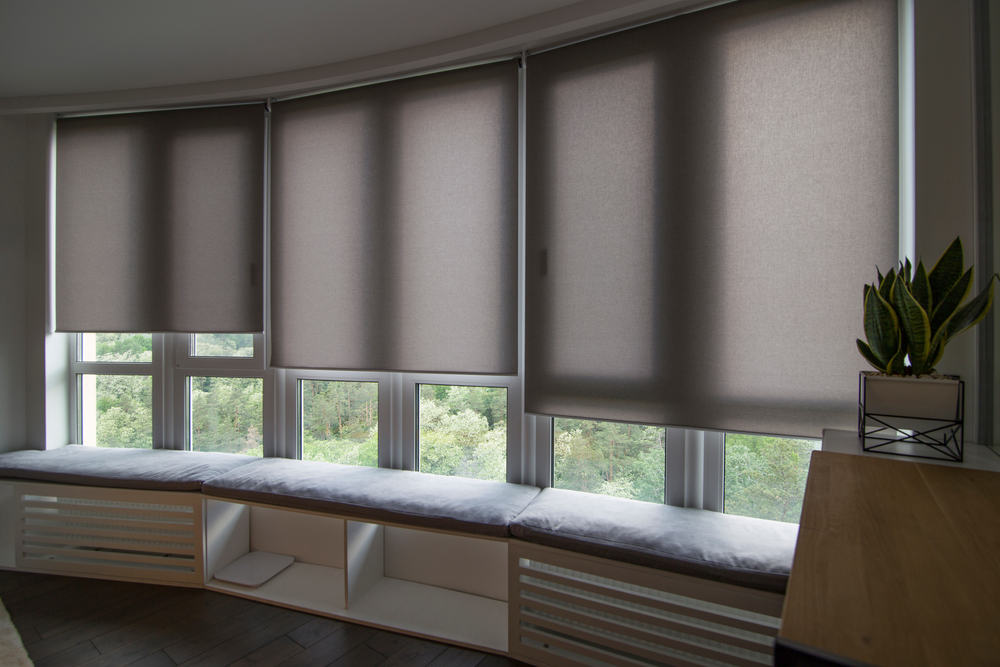
Every material in your home reacts differently to coastal conditions, and understanding these reactions is key to effective maintenance. Wooden blinds are the most vulnerable—they absorb moisture, causing slats to warp, swell, and eventually crack. You’ll notice they don’t close properly anymore, leaving gaps that defeat the purpose of having them.
Wood isn’t the only material at risk. Fabric treatments like curtains and drapes face their own battles. The combination of humidity and salt air creates perfect conditions for mildew growth. Left unchecked, it spreads and becomes nearly impossible to remove without professional help.
Even synthetic materials face challenges. The corrosion starts small—maybe just some white spots—but spreads quickly. What begins as minor discoloration can compromise the entire mechanism of your window treatments.
The key is recognizing these signs early. Fabric treatments develop that musty smell. Even your curtain rods start showing rust spots. The problem isn’t just moisture—it’s everything that comes with it. Once you understand what’s happening, you can take action before minor issues become major problems.
Salt Air's Hidden Impact on Custom Blinds and Shutters
Salt air does more than just leave a film on your windows—it actively attacks your window treatments. Weekly care to wipe surfaces and remove salt buildup isn’t just a suggestion; it’s essential for preventing permanent damage.
The challenge with salt buildup is that it’s often invisible until it’s too late. If you’re seeing warped slats, salt buildup, or that familiar coastal grime, you’re not alone. By the time you notice the white residue, salt has likely been working on your treatments for weeks.
Here’s what makes salt particularly destructive: it’s hygroscopic, meaning it attracts and holds moisture from the air. This creates localized areas of concentrated humidity that can cause warping, corrosion, and fabric damage even when your home’s overall humidity levels seem manageable.
These treatments combine style, functionality, and durability to handle the unique demands of coastal living. Keeping your window treatments in good shape is key to handling the challenges of a coastal environment. The secret is staying ahead of salt accumulation rather than reacting to it.
Professional installation makes a difference here too. We provide expert installation services tailored to the unique challenges posed by North Carolina’s climate, ensuring that your window treatments are secured to withstand fluctuating moisture levels and prevent many salt-related problems from developing in the first place.
Essential Maintenance Routines for Coastal Window Treatments
Effective maintenance isn’t about deep cleaning once a year—it’s about consistent, targeted care that prevents problems before they start. Establish a regular cleaning schedule based on the type of blinds or shades and your home environment. Homes in areas with high dust or pollen levels may require more frequent cleaning.
The most successful approach involves three levels of care: daily attention, weekly maintenance, and seasonal deep cleaning. Rotate adjustable options to prevent uneven wear by periodically adjusting them. This simple step can add years to your treatments’ lifespan.
Your maintenance routine should also account for your home’s specific microclimate. Rooms facing the ocean need more attention than those on the protected side of your house. Use dehumidifiers to maintain indoor humidity below 50%. Exhaust fans in areas like bathrooms and kitchens can also help improve airflow and reduce moisture buildup.

Weekly Cleaning Techniques That Actually Work
Weekly maintenance is where you’ll see the biggest return on your time investment. Dusting blinds with a microfiber cloth every week can help prevent debris from settling into crevices. Vacuuming curtains and drapes using a soft brush attachment can effectively eliminate dust and allergens while preserving the fabric.
For wooden treatments, regular dusting with a microfiber cloth is essential. This will help prevent dust buildup and maintain their polished look. You can also use a vacuum cleaner with a brush attachment to remove dirt from between the slats. The key is being gentle—aggressive cleaning can cause more damage than the dirt you’re trying to remove.
Faux wood and vinyl treatments can handle slightly more moisture. Faux wood custom made window blinds are more moisture-resistant than their natural wood counterparts, making them easier to clean. As with wooden blinds, use a soft cloth, feather duster, or vacuum cleaner to dust regularly.
The timing of your weekly cleaning matters too. Clean on dry, low-humidity days when possible. This allows treatments to dry completely and prevents moisture from getting trapped in mechanisms or fabric folds. Ensure good airflow in areas prone to moisture during and after cleaning.
Don’t forget about the hardware. Pay special attention to hinges and hardware during your weekly routine. A quick wipe-down with a dry cloth can prevent corrosion from taking hold.
Seasonal Deep Cleaning for Long-Term Protection
Schedule deep cleaning twice yearly, ideally in spring and fall, to coincide with seasonal maintenance routines. This timing aligns with natural changes in humidity and gives you a chance to address any damage from summer’s harsh conditions or winter’s moisture.
Your deep cleaning approach should vary by material. Be cautious when using cleaning products, as harsh chemicals can damage the finish. If you need to deep clean, a damp cloth with mild soap and water should suffice for most wood treatments.
For fabric treatments, vacuum first using a soft brush attachment to remove loose dirt and allergens. Most light fabric stains respond to gentle spot cleaning with mild detergent and cool water. Avoid soaking the fabric, which can cause shrinkage or color bleeding.
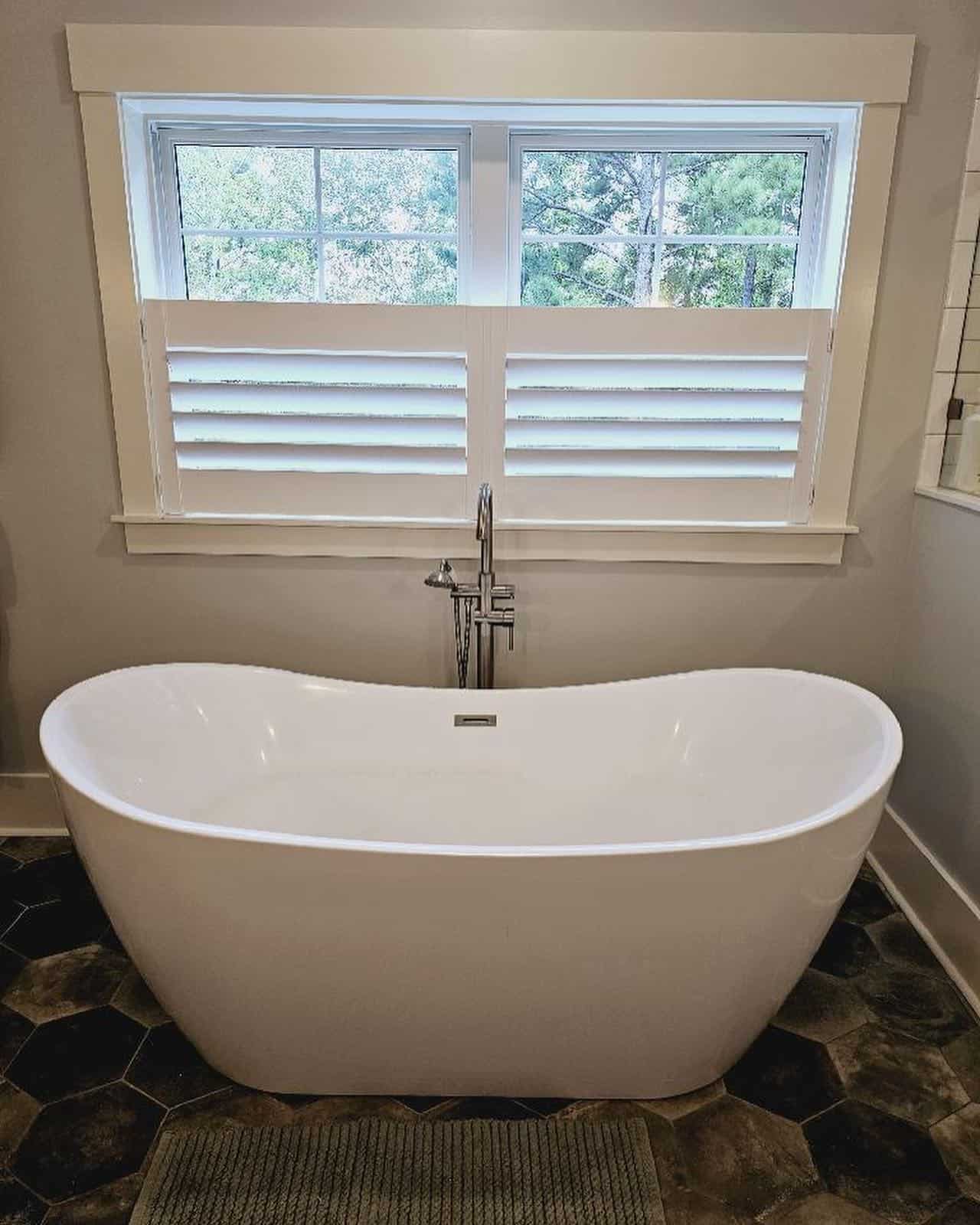
Shutters require special attention during deep cleaning. Shutters take the worst beating from coastal weather, but they’re also the most forgiving when it comes to cleaning. Start by removing loose debris with a soft brush or vacuum attachment. For painted shutters, use warm soapy water and work in small sections to prevent streaking.
When dealing with stubborn salt buildup, make a paste with baking soda and water. Apply it to stubborn spots, let it work for 10 minutes, then scrub gently and rinse thoroughly. This combination removes even the most stubborn coastal grime without damaging your treatments.
Protecting Your Investment in Coastal North Carolina
Your custom blinds, shades, and Shutters represent a significant investment in your home’s comfort, energy efficiency, and value. High-quality, energy-efficient, and custom window treatments can enhance home appeal, improve energy savings, and ultimately boost resale value. With the right maintenance approach, they’ll continue delivering these benefits for years to come.
The key to success is understanding that coastal maintenance isn’t just about cleaning—it’s about prevention. Regular maintenance helps protect against salt, humidity, and UV damage. By staying ahead of these challenges, you’re not just maintaining your treatments; you’re protecting your investment.
When you need expert guidance or professional service, we at Coastal Window Fashions NC understand the unique challenges of maintaining window treatments in Brunswick County, New Hanover County, Onslow County, and Pender County. Our experience with coastal conditions means we can help you develop a maintenance plan that keeps your treatments looking and performing their best, no matter what North Carolina’s climate throws at them.