
Summary:
Why Coastal Homes Demand Specialized Custom Blinds
Living on the North Carolina coast means your windows face conditions that would destroy standard window treatments in a single season. The combination of salt air, moisture, and intense sunlight creates a perfect storm for material breakdown that most homeowners underestimate.
Salt air doesn’t just affect metal components—it penetrates fabrics and causes accelerated deterioration that turns expensive treatments into costly mistakes. Meanwhile, humidity levels that regularly exceed 70% create the perfect environment for mold, mildew, and warping that ruins both function and appearance.
Then there’s the UV factor that catches most coastal homeowners off guard. Sunlight reflecting off water intensifies UV exposure by up to 15%, meaning your window treatments face nearly double the radiation of inland homes. This concentrated exposure fades colors, breaks down fibers, and causes brittleness in materials not designed for coastal punishment.
Materials That Actually Survive North Carolina's Coastal Assault
The key to long-lasting coastal window treatments lies in choosing materials specifically engineered for marine environments. Forget everything you know about standard residential options—coastal homes require a completely different approach that prioritizes survival over initial cost.
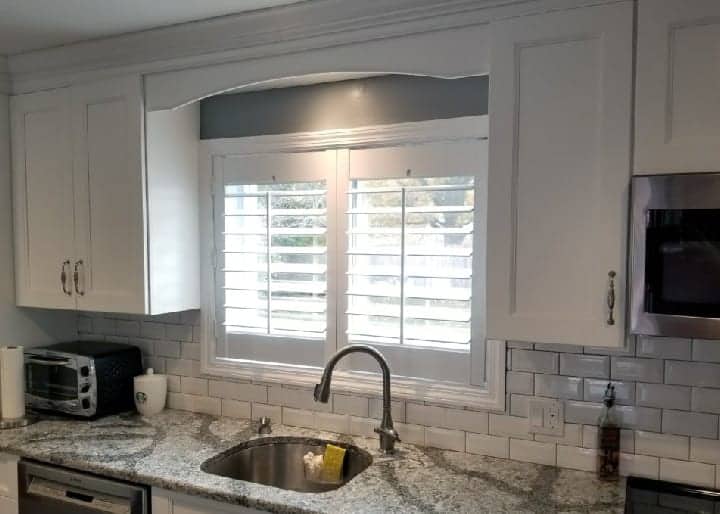
Faux wood blinds represent the gold standard for coastal durability, but not all faux wood is created equal. Quality coastal-grade options use polymer composites that resist humidity, salt air, and UV exposure while maintaining their appearance for decades. The best faux wood blinds feature sealed edges and UV-resistant finishes that prevent the fading and cracking that destroys cheaper alternatives within months.
Aluminum and vinyl options offer another layer of coastal protection that smart homeowners rely on. Marine-grade aluminum blinds resist corrosion from salt air while providing excellent light control that doesn’t degrade over time. Vinyl materials with UV inhibitors maintain flexibility and color retention even under intense coastal sun exposure. These synthetic options clean easily with simple soap and water, removing salt residue that would permanently stain fabric treatments.
For those wanting natural aesthetics without sacrificing durability, bamboo and woven wood shades treated with moisture-resistant finishes provide coastal toughness with organic appeal. The key lies in proper treatment—untreated natural materials fail quickly in coastal environments, but properly sealed options handle humidity while maintaining their natural beauty. Look for bamboo shades with polyurethane protective coatings and reinforced weaving that prevents the stretching and sagging that ruins cheaper alternatives.
UV Protection That Goes Beyond Basic Sun Control
Coastal UV protection requires more than standard light filtering—you need window treatments that actively block harmful radiation while preserving your connection to those million-dollar ocean views.
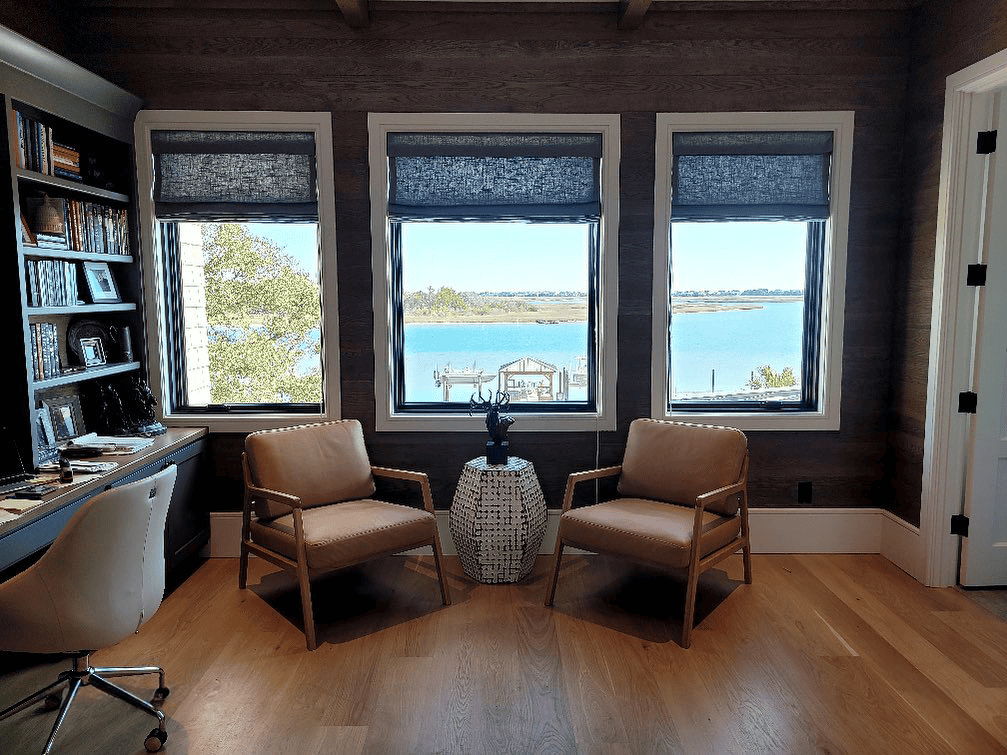
Solar shades designed for coastal applications use specialized fabrics with tight weaves that block up to 99% of UV rays while maintaining visibility that standard options can’t match. These aren’t your typical solar shades—coastal versions feature enhanced UV inhibitors and moisture-resistant backing that prevents the mold and mildew growth that destroys cheaper alternatives. The openness factor becomes crucial: 3% openness provides maximum UV protection while still allowing ocean views, while 10% openness offers better visibility with substantial protection.
Cellular shades create an additional barrier against UV penetration through their honeycomb structure that works like insulation for light. The trapped air pockets provide both insulation and multiple layers of UV filtration that protect your furnishings from fading. Double-cell options offer superior protection, with some configurations blocking over 95% of harmful rays while reducing cooling costs that can skyrocket in coastal homes.
Layered treatment approaches maximize UV protection while maintaining the design flexibility that coastal homes demand. Combining sheer panels with blackout options allows you to adjust protection levels throughout the day as conditions change. Morning sheers provide gentle light diffusion, while afternoon blackout settings block intense reflected sunlight that can make rooms unbearable. This adaptability proves essential for coastal homes where light conditions change dramatically based on weather and tidal patterns.
Smart Motorized Solutions for Coastal Window Control
Modern coastal homes benefit tremendously from automated window treatment systems that eliminate the daily wear and tear of manual operation. Smart controls aren’t just convenient—they’re practical solutions for managing the challenging coastal light conditions that change throughout the day.
Motorized systems eliminate the physical stress that manual operation creates in coastal environments where salt air affects moving parts. Quality motorized blinds feature sealed motor housings that resist humidity and corrosion while providing years of reliable operation.
Integration with smart home systems allows you to respond instantly to changing coastal conditions that can shift from gentle morning light to harsh afternoon glare within hours. Sudden storms, intense glare, or privacy needs can be addressed through smartphone controls or automated schedules that work even when you’re away from home.

Motorized Custom Blinds That Handle Coastal Challenges
Motorized window treatments in coastal environments require specialized engineering to handle operational demands that would destroy standard systems. Regular motorized options often fail prematurely when exposed to salt air and humidity fluctuations that coastal homes face daily.
Battery-powered motorized blinds eliminate the electrical connection risks that can corrode in coastal environments. Rechargeable lithium systems provide months of operation between charges while avoiding the moisture risks associated with hardwired installations that can fail during storms. Solar charging options work particularly well in coastal homes with abundant natural light, creating self-sustaining systems that operate independently of home electrical systems.
Quiet motor operation becomes especially important in coastal homes where the peaceful sound of waves shouldn’t be interrupted by mechanical noise that destroys the ambiance. Whisper-quiet motors use advanced gear systems that operate virtually silently while providing reliable positioning control that handles wind resistance better than manual options. These systems automatically adjust to maintain proper positioning during coastal breezes that would constantly move manual treatments.
Remote control capabilities prove invaluable during severe weather events that are part of coastal living. Pre-storm preparation becomes simple with the ability to close all window treatments simultaneously, protecting both the treatments themselves and interior furnishings from potential storm damage. Post-storm operation allows you to assess exterior conditions safely before manually adjusting any treatments.
Integration with Coastal Smart Home Systems
Smart home integration in coastal properties requires consideration of unique environmental factors that affect system reliability and performance in ways that inland homes never experience.
Wi-Fi connectivity can be affected by coastal weather patterns, making hardwired or hybrid control systems more reliable than purely wireless options that fail when you need them most. Mesh network systems provide redundant connectivity that maintains control even during weather-related internet disruptions that are common in coastal areas. Local control hubs ensure basic functionality remains available regardless of external connectivity issues.
Automated scheduling becomes particularly valuable in coastal homes where sun patterns change seasonally in dramatic ways. Winter sun angles differ significantly from summer patterns, and smart systems can adjust automatically to maintain optimal light control year-round without constant manual adjustments. Storm preparation modes can be programmed to automatically close treatments when weather alerts are received, providing protection even when homeowners are away.
Voice control integration works exceptionally well in coastal homes where hands may be sandy or wet from beach activities that are part of the lifestyle. Simple voice commands eliminate the need to locate remotes or clean touchscreens, maintaining system accessibility in the relaxed coastal environment. Integration with popular platforms like Alexa or Google Home provides familiar control methods that guests can easily use without instruction.
Choosing Your Coastal Window Treatment Partner
Selecting custom blinds for your coastal North Carolina home requires expertise that understands both the unique environmental challenges and the aesthetic goals that make beachfront living special.
The right partner brings decades of coastal installation experience, understanding how different materials perform in salt air and high humidity over time. We know which manufacturers offer true coastal-grade products versus standard options that won’t survive your environment beyond the first season. Most importantly, we provide ongoing support as your treatments age and coastal conditions take their natural toll.
Your coastal home represents a significant investment that deserves protection from professionals who understand what’s at stake. When you’re ready to explore custom blinds and shades that actually work in North Carolina’s coastal environment, we bring the expertise and materials your beachfront home needs to stay beautiful and functional for years to come.